Boston
| Name | Boston |
| Settlement Type | State capital |
| Image Skyline | .jpg)  .jpg)  .jpg)  |
| Image Flag |  |
| Image Seal | Seal of Boston, Massachusetts.svgclass=skin-invert |
| Image Blank Emblem | Wordmark of Boston, Massachusetts.svgclass=skin-invert |
| Blank Emblem Type | Wordmark |
| Nicknames | Bean Town, Title Town, others |
| Motto | «Sicut patribus sit Deus nobis» (Latin) "As God was with our fathers, so may He be with us" |
| Mapframe | yes |
| Mapframe Point | none |
| Pushpin Map | Boston Metro#Massachusetts#USA#Earth |
| Pushpin Relief | yes |
| Pushpin Label | Boston |
| Pushpin Label Position | bottom |
| Coordinates | 42°21′37″N, 71°3′28″W |
| Subdivision Type | Country |
| Subdivision Name | United States |
| Subdivision Type1 | Region |
| Subdivision Type2 | State |
| Subdivision Type3 | County |
| Subdivision Type4 | Historic countries |
| Subdivision Type5 | Historic colonies |
| Subdivision Name1 | New England |
| Subdivision Name2 | Massachusetts |
| Subdivision Name3 | Suffolk ---- |
| Subdivision Name4 | Kingdom of England Commonwealth of England Kingdom of Great Britain |
| Subdivision Name5 | Massachusetts Bay Colony, Dominion of New England, Province of Massachusetts Bay |
| Established Title | Settled |
| Established Date | 1625 |
| Established Title2 | Incorporated (town) |
| Established Date2 | September 17, 1630 (date of naming, New Style) |
| Established Title3 | Incorporated (city) |
| Established Date3 | March 19, 1822 |
| Named For | Boston, Lincolnshire |
| Government Type | Strong mayor / Council |
| Leader Title | Mayor |
| Leader Name | Michelle Wu |
| Leader Title2 | Council President |
| Leader Name2 | Liz Breadon (D) |
| Leader Party | D |
| Leader Title1 | Council |
| Leader Name1 | Boston City Council |
| Unit Pref | Imperial |
| Area Total Km2 | 232.10 |
| Area Total Sq Mi | 89.61 |
| Area Land Km2 | 125.20 |
| Area Land Sq Mi | 48.34 |
| Area Water Km2 | 106.90 |
| Area Water Sq Mi | 41.27 |
| Area Urban Km2 | 4,288.7 |
| Area Urban Sq Mi | 1,655.9 |
| Area Metro Km2 | 11700 |
| Area Metro Sq Mi | 4500 |
| Area Blank1 Title | CSA |
| Area Blank1 Km2 | 27600 |
| Area Blank1 Sq Mi | 10600 |
| Elevation Ft | 46 |
| Population Total | 675647 |
| Population As Of | 2020 |
| Population Rank | 71st in North America 25th in the United States 1st in Massachusetts |
| Population Est | 673,458 |
| Pop Est As Of | 2024 |
| Population Density Sq Mi | 13976.98 |
| Population Density Km2 | 5396.51 |
| Population Metro | 4941632 (US: 10th) |
| Population Urban | 4,382,009 (US: 10th) |
| Population Density Urban Km2 | 1,021.8 |
| Population Density Urban Sq Mi | 2,646.3 |
| Population Demonym | Bostonian |
| Demographics Type2 | GDP |
| Demographics2 Title1 | Metro |
| Demographics2 Info1 | $610.486 billion (2023) |
| Postal Code Type | ZIP Codes |
| Area Code | 617 and 857 |
| Area Code Type | Area codes |
| Website | https://boston.gov |
| Timezone | EST |
| Utc Offset | −5 |
| Timezone Dst | EDT |
| Utc Offset Dst | −4 |
| Blank Name | FIPS code |
| Blank Info | 25-07000 |
| Blank1 Name | GNIS feature ID |
| Blank1 Info | 617565 |
| Elevation M | 14 |
Boston is the capital and most populous city of the U.S. state of Massachusetts. It serves as the cultural and financial center of New England, a region of the Northeastern United States. Boston has an area of 48.4sqmi and a population of 675,647 as of the 2020 census, making it the third-most populous city in the Northeastern United States after New York City and Philadelphia. The larger Greater Boston metropolitan statistical area had a population of 4.9 million in 2023, making it the largest metropolitan area in New England and the eleventh-largest in the United States.
Boston was founded on Shawmut Peninsula in 1630 by English Puritan settlers, who named the city after the market town of Boston, Lincolnshire in England. During the American Revolution and Revolutionary War, Boston was home to several seminal events, including the Boston Massacre (1770), the Boston Tea Party (1773), Paul Revere's midnight ride (1775), the Battle of Bunker Hill (1775), and the Siege of Boston (1775–1776).
Following American independence from Great Britain, Boston played an important national role as a port, manufacturing hub, and education and culture center, and the city expanded significantly beyond the original peninsula by filling in land and annexing neighboring towns. Boston's many firsts include the nation's first public park (Boston Common, 1634), the first public school (Boston Latin School, 1635), and the first subway system (Tremont Street subway, 1897).
Boston later emerged as a global leader in higher education and research and is the largest biotechnology hub in the world as of 2023. The city is a national leader in scientific research, law, medicine, engineering, and business. With nearly 5,000 startup companies, the city is considered a global pioneer in innovation, entrepreneurship, and artificial intelligence. Boston's economy is led by finance, professional and business services, information technology, and government. Boston households provide the highest average rate of philanthropy in the nation as of 2013, and the city's businesses and institutions rank among the top in the nation for environmental sustainability and new investment.
Etymology
Isaac Johnson—in one of his last official acts as leader of the Charlestown community before his death on September 30, 1630—named the new settlement across the river "Boston" after Johnson's hometown of Boston, Lincolnshire, from where he, his wife (namesake of the Arbella), and John Cotton (grandfather of Cotton Mather) emigrated. The name of the English town derives from its patron saint, St. Botolph, in whose church Cotton served as the rector until he and Johnson emigrated to New England. In early sources, Lincolnshire's Boston was known as "St. Botolph's town", which was later abbreviated as "Boston". Before this renaming, the settlement on the peninsula was known as "Shawmut" by William Blaxton and "Tremontaine" by the Puritan settlers he invited.
History
Indigenous era
Before European colonization, the region surrounding present-day Boston was inhabited by the Massachusett people, who established small, seasonal communities in present-day Boston. In 1630, settlers led by John Winthrop arrived, and found Shawmut Peninsula nearly empty of Native people. Most had died of European diseases borne by earlier settlers and traders. Archaeological excavations have unearthed one of the oldest fishweirs in New England, located on Boylston Street, which Native people constructed as early as 7,000 years before European arrival in the Western Hemisphere.
European settlement
The first European to live in what would become Boston was a University of Cambridge-educated Anglican cleric named William Blaxton. He was most directly responsible for the foundation of Boston by Puritan colonists in 1630, after Blaxton invited one of their leaders, Isaac Johnson, to cross Back Bay from the failing colony of Charlestown and share the peninsula with him. In September 1630 Puritans made the crossing to present-day Boston.
Puritan influence on Boston began even before the settlement was founded with the 1629 Cambridge Agreement, which was created the Massachusetts Bay Colony and signed by the colony's first governor, John Winthrop. Puritan ethics and their focus on education also influenced the city's early history. In 1635, America's first public school, Boston Latin School, was founded in Boston.
Boston was the largest town in the Thirteen Colonies until Philadelphia outgrew it in the mid-18th century. Boston's oceanfront location made it a lively port, and the town engaged in shipping and fishing during the colonial era. Boston was a primary stop on the Caribbean trade route and imported large amounts of molasses, which led to the creation of Boston baked beans.
Boston's economy stagnated in the decades prior to the American Revolution. By the mid-18th century, New York City and Philadelphia both surpassed Boston in wealth. During this period, Boston encountered financial difficulties even as other New England cities were growing rapidly.
American Revolution and Siege of Boston
Boston campaign

Boston played a central role in the American Revolution. Many crucial events of the American Revolution and subsequent American Revolutionary War occurred in or near Boston, where the city's revolutionary spirit against Britain's colonial governance was demonstrable and ultimately inspiring to the rest of the Thirteen Colonies. When the British Parliament passed the Stamp Act in 1765, the homes of Andrew Oliver, the official tasked with enforcing the Act, and Thomas Hutchinson, then lieutenant governor of Massachusetts Bay Colony, were raved by Boston mobs. The British responded by sending two regiments to Boston in 1768 in an attempt to quell the revolt, but the increased British military presence in Boston only ended up further inflaming the Boston colonists. In 1770, during the Boston Massacre, British troops fired into a Boston mob that was protesting their presence. The massacre forced the British to withdraw their troops and helped fuel revolutionary sentiment in the colonies.
In May 1773, Parliament passed the Tea Act, which many colonists saw as a British attempt to compel them to accept taxes established by the Townshend Acts. This led to the Boston Tea Party, a defining event of the American Revolution in which angered Bostonians threw an entire shipment of tea sent from the East India Company into Boston Harbor, escalating the American Revolution. The British monarchy responded furiously, implementing the Intolerable Acts and demanding compensation for the tea destroyed during the Boston Tea Party. This response, in turn, angered the colonists further, leading to the Battles of Lexington and Concord on April 19, 1775, the first battles of the American Revolutionary War, which were fought around Boston in Massachusetts Bay Colony.
During the siege of Boston from April 19, 1775, to March 17, 1776, New England-based Patriot militia impeded movement by the British Army. Sir William Howe, then commander-in-chief of British forces in North America, led the British army in the siege. On June 17, the British captured Charlestown in present-day Boston during the Battle of Bunker Hill during which the British Army outnumbered Patriot militia. But the British sustained irreplaceable casualties, turning the Battle of Bunker Hill into a pyrrhic victory for the British. The Battle of Bunker Hill also demonstrated the skill and training of the Patriot militia, whose stubborn defense made it difficult for the British to capture Charlestown without suffering even further casualties.
On June 14, 1775, in an effort to unify the Revolutionary War effort, the Second Continental Congress, convening in the colonial-era capital of Philadelphia, founded the Continental Army and unanimously appointed George Washington as its commander-in-chief. Washington then immediately departed Philadelphia for Boston, where he arrived on July 2, 1775, and led the newly-formed Continental Army in the siege. Fighting was limited to small-scale raids and skirmishes, and the Continental Army faced challenges with a deficiency of munitions and supplies. Boston Neck, then narrow and only approximately 100 feet wide, impeded Washington's ability to invade Boston, which led to a prolonged stalemate between the Continental Army and British forces. A young officer, Rufus Putnam, came up with a plan to make portable fortifications out of wood, which were erected on the frozen ground under cover of darkness. Putnam supervised the effort, which successfully installed the fortifications and dozens of cannons on Dorchester Heights that Henry Knox laboriously brought through the snow from Fort Ticonderoga. The following morning, the astonished British Army awoke to see a large array of cannons bearing down on them. General Howe is believed to have said that the Americans had done more in one night than his British Army could have done in six months. The British Army responded by attempting to launch a cannon barrage for two hours, but their shots could not reach the Continental Army's cannons at such a height. The British then gave up, boarded their ships, and sailed away from Boston in what has come to be known as "Evacuation Day", which is now celebrated in Boston annually on March 17. After the British retreat, Washington was so impressed with the effort of Rufus Putnam that he appointed him as his chief engineer.
Post-revolution and the War of 1812

After the Revolution, Boston's long seafaring tradition helped make it one of the nation's busiest ports for both domestic and international trade. Boston's harbor activity was significantly curtailed by the Embargo Act of 1807, which was adopted during the Napoleonic Wars, and the War of 1812. Foreign trade returned after these hostilities, but Boston's merchants had found alternatives for their capital investments in the meantime. Manufacturing became an important component of the city's economy, and the city's industrial manufacturing overtook international trade in economic importance by the mid-19th century. The small rivers bordering the city and connecting it to the surrounding region facilitated shipment of goods and led to a proliferation of mills and factories. Later, a dense network of railroads furthered the region's industry and commerce.
During this period, Boston also flourished culturally. It was admired for its rarefied literary life and generous artistic patronage. Members of old Boston families, later dubbed "Boston Brahmins", came to be regarded as the nation's social and cultural elites. They are often associated with the American upper class, Harvard University, and the Episcopal Church.
Boston was a prominent port of the Atlantic slave trade in the New England Colonies, but was soon overtaken by Salem, Massachusetts, and Newport, Rhode Island. Boston eventually became a center of the American abolitionist movement. The city reacted largely negatively to the Fugitive Slave Act of 1850, contributing to President Franklin Pierce's attempt to make an example of Boston after Anthony Burns's attempt to escape to freedom.
In 1822, the citizens of Boston voted to change the official name from the "Town of Boston" to the "City of Boston", and on March 19, 1822, the people of Boston accepted the charter incorporating the city. At the time Boston was chartered as a city, the population was about 46,226, while the area of the city was only 4.8sqmi||abbr=.
19th century

In the 1820s, Boston's population grew rapidly, and the city's ethnic composition changed dramatically with the first wave of European immigrants. Irish immigrants dominated the first wave of newcomers during this period, especially following the Great Famine; by 1850, about 35,000 Irish lived in Boston. In the latter half of the 19th century, the city saw increasing numbers of Irish, Germans, Lebanese, Syrians, French Canadians, and Russian and Polish Jews settling there.
By the end of the 19th century, Boston's core neighborhoods had become enclaves of ethnically distinct immigrants with their residence yielding lasting cultural change. Italians became the largest inhabitants of the North End, Irish dominated South Boston and Charlestown, and Russian Jews lived in the West End. Irish and Italian immigrants brought with them Roman Catholicism. Currently, Catholics make up Boston's largest religious community, and the Irish have played a major role in Boston politics since the early 20th century; prominent figures include the Kennedys, Tip O'Neill, and John F. Fitzgerald.
Between 1631 and 1890, the city tripled its area through land reclamation by filling in marshes, mud flats, and gaps between wharves along the waterfront. Reclamation projects in the middle of the 19th century created significant parts of the South End, the West End, the Financial District, and Chinatown.
After the Great Boston Fire of 1872, workers used building rubble as landfill along the downtown waterfront. During the mid-to-late 19th century, workers filled almost 600acres of brackish Charles River marshlands west of Boston Common with gravel brought by rail from the hills of Needham Heights. The city annexed the adjacent towns of South Boston (1804), East Boston (1836), Roxbury (1868), Dorchester (including present-day Mattapan and a portion of South Boston) (1870), Brighton (including present-day Allston) (1874), West Roxbury (including present-day Jamaica Plain and Roslindale) (1874), Charlestown (1874), and Hyde Park (1912). Other proposals were unsuccessful for the annexation of Brookline, Cambridge, and Chelsea.
20th century

Many architecturally significant buildings were built during the early years of the 20th century: Horticultural Hall, the Tennis and Racquet Club, Isabella Stewart Gardner Museum, Fenway Studios, Jordan Hall, and the Boston Opera House. The Longfellow Bridge, built in 1906, was mentioned by Robert McCloskey in Make Way for Ducklings, describing its "salt and pepper shakers" feature. Fenway Park, home of the Boston Red Sox, opened in 1912, with the Boston Garden opening in 1928. Logan International Airport opened on September 8, 1923.
Kennedy Sr. had this to say before the Boston Chamber of Commerce on November 15, 1934: "The rogues who seek to live by deception-let me again repeat, the act is like all legal rules, subject to the limitations of effective legal action. Unfortunately, scoundrels will capitalize the registration requirements and may seek to sell you a security on the theory that mere filing indicates approval by the Commission. Beware of any such argument. Our short experience as to this legislation prompts me to sound a note of warning, particularly to you, my friends of the radio audience. Each and everyone of you is a prospective or actual member of a "sucker" list, and when the stranger calls you on the phone to interest you in the purchase of securities, beware."
On November 28, 1942, Boston's Cocoanut Grove nightclub was the site of the Cocoanut Grove fire, the deadliest nightclub fire in United States history, killing 492 people and injuring hundreds more.
By the early- to mid-20th century, Boston declined economically as factories became old and obsolete and businesses moved out of the region for cheaper labor elsewhere. Boston responded by initiating various urban renewal projects, under the direction of the Boston Redevelopment Authority (BRA) established in 1957. In 1958, BRA initiated a project to improve the historic West End neighborhood. Extensive demolition was met with strong public opposition, and thousands of families were displaced.
The BRA continued implementing eminent domain projects, including the clearance of the vibrant Scollay Square area for construction of the modernist style Government Center. In 1965, the Columbia Point Health Center opened in the Dorchester neighborhood, the first Community Health Center in the United States. It mostly served the massive Columbia Point public housing complex adjoining it, which was built in 1953. The health center is still in operation and was rededicated in 1990 as the Geiger-Gibson Community Health Center. The Columbia Point complex itself was redeveloped and revitalized from 1984 to 1990 into a mixed-income residential development called Harbor Point Apartments.
By the 1970s, the city's economy had begun to recover after 30 years of economic downturn. A large number of high-rises were constructed in the Financial District and in Boston's Back Bay during this period. This boom continued into the mid-1980s and resumed after a few pauses. Hospitals such as Massachusetts General Hospital, Beth Israel Deaconess Medical Center, and Brigham and Women's Hospital lead the nation in medical innovation and patient care. Schools such as the Boston Architectural College, Boston College, Boston University, Harvard Medical School, Tufts University School of Medicine, Northeastern University, Massachusetts College of Art and Design, Wentworth Institute of Technology, Berklee College of Music, Boston Conservatory, and others attract students to the area. Nevertheless, the city experienced conflict starting in 1974 over desegregation busing, which resulted in unrest and violence around public schools throughout the mid-1970s. Boston has also experienced gentrification in the latter half of the 20th century, with housing prices increasing sharply since the 1990s when the city's rent control regime was struck down by statewide ballot proposition.
21st century

Boston is an intellectual, technological, and political center. However, it has lost some important regional institutions, including the loss to mergers and acquisitions of local financial institutions such as FleetBoston Financial, which was acquired by Charlotte-based Bank of America in 2004. Boston-based department stores Jordan Marsh and Filene's have both merged into the New York City–based Macy's.
The 1993 acquisition of The Boston Globe by The New York Times was reversed in 2013 when it was resold to Boston businessman John W. Henry. In 2016, it was announced General Electric would be moving its corporate headquarters from Connecticut to the Seaport District in Boston, joining many other companies in this rapidly developing neighborhood. The city also saw the completion of the Central Artery/Tunnel Project, known as the Big Dig, in 2007 after many delays and cost overruns.
On April 15, 2013, two Chechen Islamist brothers detonated a pair of bombs near the finish line of the Boston Marathon, killing three people and injuring roughly 264. The subsequent search for the bombers led to a lock-down of Boston and surrounding municipalities. The region showed solidarity during this time as symbolized by the slogan Boston Strong.
In 2016, Boston briefly shouldered a bid as the U.S. applicant for the 2024 Summer Olympics. The bid was supported by the mayor and a coalition of business leaders and local philanthropists, but was eventually dropped due to public opposition. The USOC then selected Los Angeles to be the American candidate with Los Angeles ultimately securing the right to host the 2028 Summer Olympics. Nevertheless, Boston is one of eleven U.S. cities which will host matches during the 2026 FIFA World Cup, with games taking place at Gillette Stadium.
Geography


Boston has an area of 89.63sqmi. Of this area, 48.4sqmi, or 54%, of it is land and 41.2sqmi, or 46%, of it is water. The city's elevation, as measured at Logan International Airport, is 19ft above sea level. The highest point in Boston is Bellevue Hill at 330ft above sea level, and the lowest point is at sea level. The city is adjacent to Boston Harbor, an arm of Massachusetts Bay, and by extension, the Atlantic Ocean.
Boston is surrounded by the Greater Boston metropolitan region. It is bordered to the east by the town of Winthrop and the Boston Harbor Islands, to the northeast by the cities of Revere, Chelsea and Everett, to the north by the cities of Somerville and Cambridge, to the northwest by Watertown, to the west by the city of Newton and town of Brookline, to the southwest by the town of Dedham and small portions of Needham and Canton, and to the southeast by the town of Milton, and the city of Quincy.
The Charles River separates Boston's Allston-Brighton, Fenway-Kenmore and Back Bay neighborhoods from Watertown and Cambridge, and most of Boston from its own Charlestown neighborhood. The Neponset River forms the boundary between Boston's southern neighborhoods and Quincy and Milton. The Mystic River separates Charlestown from Chelsea and Everett, and Chelsea Creek and Boston Harbor separate East Boston from Downtown, the North End, and the Seaport.
Neighborhoods
Neighborhoods in Boston
Boston is sometimes called a "city of neighborhoods" because of the profusion of diverse subsections. The city government's Office of Neighborhood Services has designated 23 neighborhoods:
- Allston
- Back Bay
- Bay Village
- Beacon Hill
- Brighton
- Charlestown
- Chinatown
- Dorchester
- Downtown or Financial District
- East Boston (Eastie by locals)
- Fenway or Fenway-Kenmore
- Hyde Park
- Jamaica Plain
- Mattapan
- Mission Hill
- North End
- Roslindale
- Roxbury
- Seaport District or Seaport
- South Boston (Southie by locals)
- the South End
- the West End
- West Roxbury
More than two-thirds of inner Boston's modern land area did not exist when the city was founded. Instead, it was created via the gradual filling in of the surrounding tidal areas over the centuries. This was accomplished using earth from the leveling or lowering of Boston's three original hills, the "Trimountain", after which Tremont Street is named, and with gravel brought by train from Needham to fill the Back Bay.
Back Bay is home to Christian Science Center, Copley Square, Newbury Street, and New England's two tallest buildings: the John Hancock Tower and the Prudential Center. Near the John Hancock Tower is the old John Hancock Building with its prominent illuminated beacon, the color of which forecasts the weather.
Downtown and its immediate surroundings (including the Financial District, Government Center, and South Boston) consist largely of low-rise masonry buildings – often federal style and Greek revival – interspersed with modern high-rises. Back Bay includes many prominent landmarks, such as the Boston Public Library, Trinity Church, single-family homes and wooden/brick multi-family row houses. The South End Historic District is the largest surviving contiguous Victorian-era neighborhood in the US.
The geography of downtown and South Boston was particularly affected by the Central Artery/Tunnel Project (which ran from 1991 to 2007, and was known unofficially as the "Big Dig"). That project removed the elevated Central Artery and incorporated new green spaces and open areas.
Environment
.jpg)
Boston is located within the Boston Basin ecoregion, which is characterized by low and rolling hills with a number of ponds, lakes, and reservoirs. Forests are mainly transition hardwoods such as oak-hickory mixed with white pine. As a coastal city built largely on fill, sea-level rise is of major concern to the city government. A climate action plan from 2019 anticipates 2ft to more than 7ft of sea-level rise in Boston by the end of the 21st century. Many older buildings in certain areas of Boston are supported by wooden piles driven into the area's fill; these piles remain sound if submerged in water, but are subject to dry rot if exposed to air for long periods. Groundwater levels have been dropping in many areas of the city, due in part to an increase in the amount of rainwater discharged directly into sewers rather than absorbed by the ground. The Boston Groundwater Trust coordinates monitoring groundwater levels throughout the city via a network of public and private monitoring wells.
The city developed a climate action plan covering carbon reduction in buildings, transportation, and energy use. The first such plan was commissioned in 2007, with updates released in 2011, 2014, and 2019. This plan includes the Building Energy Reporting and Disclosure Ordinance, which requires the city's larger buildings to disclose their yearly energy and water use statistics and to partake in an energy assessment every five years. A separate initiative, Resilient Boston Harbor, lays out neighborhood-specific recommendations for coastal resilience. In 2013, Mayor Thomas Menino introduced the Renew Boston Whole Building Incentive which reduces the cost of living in buildings that are deemed energy efficient.
Climate


Under the Köppen climate classification, Boston has either a hot-summer humid continental climate (Köppen Dfa) under the 0°C isotherm or a humid subtropical climate (Köppen Cfa) under the −3°C isotherm. Summers are warm to hot and humid. Winters are cold and stormy, with occasional periods of heavy snow. Spring and fall are usually cool and mild, with varying conditions dependent on wind direction and the position of the jet stream. Prevailing wind patterns that blow offshore minimize the influence of the Atlantic Ocean. In winter, areas near the immediate coast often see more rain than snow, as warm air is sometimes drawn off the Atlantic. Boston lies at the border between USDA plant hardiness zones 6b (away from the coastline) and 7a (close to the coastline). Receiving over 2,600 hours of sunshine annually, Boston is one of the sunniest oceanic cities located at its latitude globally.
The warmest month is July, with a mean temperature of 74.1F. The coldest month is January, with a mean temperature of 29.9F. Periods exceeding 90F in summer and below freezing in winter are not uncommon but tend to be fairly short, with about 13 and 25 days per year seeing each, respectively.
Sub- 0F readings usually occur every 3 to 5 years. The most recent sub- 0F reading occurred on February 4, 2023, when the temperature dipped down to −10F. This was the lowest temperature reading in Boston since 1957. Several decades may pass between 100F readings. The last such reading occurred on June 24, 2025. Boston's average window for freezing temperatures is November 9 to April 5. Official temperature records have ranged from −18F on February 9, 1934, up to 104F on July 4, 1911. The record cold daily maximum is 2F on December 30, 1917. The record warm daily minimum is 83F on both August 2, 1975, and July 21, 2019. The record high dew point is 79F recorded on August 10, 2001.
Boston averages 43.6in of precipitation a year, with 49.2in of snowfall per season. Most snowfall occurs from mid-November to early April. Snow is rare in May and October. There is high year-to-year variability in snowfall. For instance, the winter of 2011–12 saw only 9.3in of accumulating snow, but the previous winter, the corresponding figure was 81.0in. Boston's coastal location on the North Atlantic makes the city very prone to nor'easters, which can produce large amounts of snow and rain.
Fog is relatively common, particularly in spring and early summer. Due to its coastal location, Boston often receives sea breezes, especially in the late spring, when water temperatures are still quite cold and temperatures at the coast can be more than 20F-change colder than a few miles inland, sometimes dropping by that amount near midday. Thunderstorms typically occur from May to September. Occasionally, they can become severe, with large hail, damaging winds, and heavy downpours. Although downtown Boston has never been struck by a violent tornado, Boston has experienced many tornado warnings. Damaging storms are more common to areas north, west, and northwest of the city.
Demographics
History of the Irish in Boston
| Non-Hispanic White | 44.7% | 47.0% | 59.0% | 79.5% | 96.6% |
| Black | 22.0% | 24.4% | 23.8% | 16.3% | 3.1% |
| Hispanic or Latino (of any race) | 19.5% | 17.5% | 10.8% | 2.8% | 0.1% |
| Asian | 9.7% | 8.9% | 5.3% | 1.3% | 0.2% |
| Two or more races | 3.2% | 3.9% | – | – | – |
| Native American | 0.2% | 0.4% | 0.3% | 0.2% | – |
In the 2020 census, Boston was estimated to have 691,531 residents living in 266,724 households—a 12% population increase over 2010. Boston is the third-most densely populated large U.S. city of over half a million residents, and the most densely populated state capital. Some 1.2 million persons may be within Boston's boundaries during work hours, and as many as 2 million during special events. This fluctuation of people is caused by hundreds of thousands of suburban residents who travel to the city for work, education, health care, and special events.
In 2011, 21.9% of the population was aged 19 and under, 14.3% was from 20 to 24, 33.2% from 25 to 44, 20.4% from 45 to 64, and 10.1% was 65 years of age or older. The median age was 30.8 years. For every 100 females, there were 92.0 males. For every 100 females age 18 and over, there were 89.9 males. There were 252,699 households, of which 20.4% had children under the age of 18 living in them, 25.5% were married couples living together, 16.3% had a female householder with no husband present, and 54.0% were non-families. 37.1% of all households were made up of individuals, and 9.0% had someone living alone who was 65 years of age or older. The average household size was 2.26 and the average family size was 3.08.
In 2011, the median household income in Boston was $51,739, while the median income for a family was $61,035. Full-time year-round male workers had a median income of $52,544 versus $46,540 for full-time year-round female workers. The per capita income for the city was $33,158. 21.4% of the population and 16.0% of families were below the poverty line. Of the total population, 28.8% of those under the age of 18 and 20.4% of those 65 and older were living below the poverty line. Boston has a significant racial wealth gap with White Bostonians having a median net worth of $247,500 compared to an $8 median net worth for non-immigrant Black residents and $0 for Dominican immigrant residents.
From the 1950s to the end of the 20th century, the proportion of non-Hispanic Whites in Boston declined. In 2000, non-Hispanic Whites were 49.5% of Boston's population, making the city majority minority for the first time. In the 21st century, Boston has experienced significant gentrification, during which affluent Whites have moved into formerly non-White areas. In 2006, the U.S. Census Bureau estimated non-Hispanic Whites again formed a slight majority. As of 2010, in part due to the housing crash, as well as increased efforts to make more affordable housing more available, the non-White population has rebounded. This may also have to do with increased Latin American and Asian populations and more clarity surrounding U.S. Census statistics, which indicate a non-Hispanic White population of 47% (some reports give slightly lower figures).
Ethnicity
 as they march in the 108th Annual St. Patrick's Day Parade.jpg)

In 2011, African-Americans comprised 22% of the city's population. People of Irish descent formed the second-largest single ethnic group in the city, making up 15.8% of the population, followed by Italians, accounting for 8.3% of the population. People of West Indian and Caribbean ancestry are another sizable group, collectively at over 15%.
In Greater Boston, these numbers grew significantly, with 150,000 Dominicans according to 2018 estimates, 134,000 Puerto Ricans, 57,500 Salvadorans, 39,000 Guatemalans, 36,000 Mexicans, and over 35,000 Colombians. East Boston has a diverse Hispanic/Latino population of Salvadorans, Colombians, Guatemalans, Mexicans, Dominicans and Puerto Ricans. Hispanic populations in southwest Boston neighborhoods are mainly made up of Dominicans and Puerto Ricans, usually sharing neighborhoods in this section with African Americans and Blacks with origins from the Caribbean and Africa especially Cape Verdeans and Haitians. Neighborhoods such as Jamaica Plain and Roslindale have a growing number of Dominican Americans.
There is a large and historical Armenian community in Boston, and the city is home to the Armenian Heritage Park. Over 27,000 Chinese Americans made their home in Boston city proper in 2013. According to the 2012–2016 American Community Survey 5-Year Estimates, the largest ancestry groups in Boston are:
| Ancestry | Percentage of Boston population | Percentage of Massachusetts population | Percentage of United States population | City-to-state difference | City-to-USA difference |
|---|---|---|---|---|---|
| Black | 22% | 8.2% | 14–15% | 13.8% | 7% |
| Irish | 14.06% | 21.16% | 10.39% | −7.10% | 3.67% |
| Italian | 8.13% | 13.19% | 5.39% | −5.05% | 2.74% |
| Other West Indian | 6.92% | 1.96% | 0.90% | 4.97% | 6.02% |
| Dominican | 5.45% | 2.60% | 0.68% | 2.65% | 4.57% |
| Puerto Rican | 5.27% | 4.52% | 1.66% | 0.75% | 3.61% |
| Chinese | 4.57% | 2.28% | 1.24% | 2.29% | 3.33% |
| German | 4.57% | 6.00% | 14.40% | −1.43% | −9.83% |
| English | 4.54% | 9.77% | 7.67% | −5.23% | −3.13% |
| American | 4.13% | 4.26% | 6.89% | −0.13% | −2.76% |
| Sub-Saharan African | 4.09% | 2.00% | 1.01% | 2.09% | 3.08% |
| Haitian | 3.58% | 1.15% | 0.31% | 2.43% | 3.27% |
| Polish | 2.48% | 4.67% | 2.93% | −2.19% | −0.45% |
| Cape Verdean | 2.21% | 0.97% | 0.03% | 1.24% | 2.18% |
| French | 1.93% | 6.82% | 2.56% | −4.89% | −0.63% |
| Vietnamese | 1.76% | 0.69% | 0.54% | 1.07% | 1.22% |
| Jamaican | 1.70% | 0.44% | 0.34% | 1.26% | 1.36% |
| Russian | 1.62% | 1.65% | 0.88% | −0.03% | 0.74% |
| Asian Indian | 1.31% | 1.39% | 1.09% | −0.08% | 0.22% |
| Scottish | 1.30% | 2.28% | 1.71% | −0.98% | −0.41% |
| French Canadian | 1.19% | 3.91% | 0.65% | −2.71% | 0.54% |
| Mexican | 1.12% | 0.67% | 11.96% | 0.45% | −10.84% |
| Arab | 1.10% | 1.10% | 0.59% | 0.00% | 0.50% |
Income
List of Massachusetts locations by per capita income
Data is from the American Community Survey's five-year estimates 2008–2012.
| Rank | ZIP Code (ZCTA) | Per capita income | Median household income | Median family income | Population | Number of households |
|---|---|---|---|---|---|---|
| 1 | 02110 (Financial District) | $152,007 | $123,795 | $196,518 | 1,486 | 981 |
| 2 | 02199 (Prudential Center) | $151,060 | $107,159 | $146,786 | 1,290 | 823 |
| 3 | 02210 (Fort Point) | $93,078 | $111,061 | $223,411 | 1,905 | 1,088 |
| 4 | 02109 (North End) | $88,921 | $128,022 | $162,045 | 4,277 | 2,190 |
| 5 | 02116 (Back Bay/Bay Village) | $81,458 | $87,630 | $134,875 | 21,318 | 10,938 |
| 6 | 02108 (Beacon Hill/Financial District) | $78,569 | $95,753 | $153,618 | 4,155 | 2,337 |
| 7 | 02114 (Beacon Hill/West End) | $65,865 | $79,734 | $169,107 | 11,933 | 6,752 |
| 8 | 02111 (Chinatown/Financial District/Leather District) | $56,716 | $44,758 | $88,333 | 7,616 | 3,390 |
| 9 | 02129 (Charlestown) | $56,267 | $89,105 | $98,445 | 17,052 | 8,083 |
| 10 | 02467 (Chestnut Hill) | $53,382 | $113,952 | $148,396 | 22,796 | 6,351 |
| 11 | 02113 (North End) | $52,905 | $64,413 | $112,589 | 7,276 | 4,329 |
| 12 | 02132 (West Roxbury) | $44,306 | $82,421 | $110,219 | 27,163 | 11,013 |
| 13 | 02118 (South End) | $43,887 | $50,000 | $49,090 | 26,779 | 12,512 |
| 14 | 02130 (Jamaica Plain) | $42,916 | $74,198 | $95,426 | 36,866 | 15,306 |
| 15 | 02127 (South Boston) | $42,854 | $67,012 | $68,110 | 32,547 | 14,994 |
| Massachusetts | $35,485 | $66,658 | $84,380 | 6,560,595 | 2,525,694 | |
| Boston | $33,589 | $53,136 | $63,230 | 619,662 | 248,704 | |
| Suffolk County | $32,429 | $52,700 | $61,796 | 724,502 | 287,442 | |
| 16 | 02135 (Brighton) | $31,773 | $50,291 | $62,602 | 38,839 | 18,336 |
| 17 | 02131 (Roslindale) | $29,486 | $61,099 | $70,598 | 30,370 | 11,282 |
| United States | $28,051 | $53,046 | $64,585 | 309,138,711 | 115,226,802 | |
| 18 | 02136 (Hyde Park) | $28,009 | $57,080 | $74,734 | 29,219 | 10,650 |
| 19 | 02134 (Allston) | $25,319 | $37,638 | $49,355 | 20,478 | 8,916 |
| 20 | 02128 (East Boston) | $23,450 | $49,549 | $49,470 | 41,680 | 14,965 |
| 21 | 02122 (Dorchester-Fields Corner) | $23,432 | $51,798 | $50,246 | 25,437 | 8,216 |
| 22 | 02124 (Dorchester-Codman Square-Ashmont) | $23,115 | $48,329 | $55,031 | 49,867 | 17,275 |
| 23 | 02125 (Dorchester-Uphams Corner-Savin Hill) | $22,158 | $42,298 | $44,397 | 31,996 | 11,481 |
| 24 | 02163 (Allston-Harvard Business School) | $21,915 | $43,889 | $91,190 | 1,842 | 562 |
| 25 | 02115 (Back Bay, Longwood, Museum of Fine Arts/Symphony Hall area) | $21,654 | $23,677 | $50,303 | 29,178 | 9,958 |
| 26 | 02126 (Mattapan) | $20,649 | $43,532 | $52,774 | 27,335 | 9,510 |
| 27 | 02215 (Fenway-Kenmore) | $19,082 | $30,823 | $72,583 | 23,719 | 7,995 |
| 28 | 02119 (Roxbury) | $18,998 | $27,051 | $35,311 | 24,237 | 9,769 |
| 29 | 02121 (Dorchester-Mount Bowdoin) | $18,226 | $30,419 | $35,439 | 26,801 | 9,739 |
| 30 | 02120 (Mission Hill) | $17,390 | $32,367 | $29,583 | 13,217 | 4,509 |
Religion
.jpg)
In a 2023-24 study by the Pew Research Center, 47% of the population of the city identified themselves as Christians, with 21% attending a variety of Protestant churches and 24% professing Roman Catholic beliefs. 40% claim no religious affiliation. The remaining 13% are composed of adherents of Judaism, Buddhism, Islam, Hinduism, and other faiths.
In 2010, the Catholic Church had the highest number of adherents as a single denomination in the Greater Boston area, with more than two million members and 339 churches, followed by the Episcopal Church with 58,000 adherents in 160 churches. The United Church of Christ had 55,000 members and 213 churches.
In 2015, the Boston metro area had a Jewish population of approximately 248,000. More than half the Jewish households in the Greater Boston area reside in the city itself, Brookline, Newton, Cambridge, Somerville, or adjacent towns. A small minority practices Confucianism, and some practice Boston Confucianism, an American evolution of Confucianism adapted for Boston intellectuals.
Economy
Greater Boston#Major companies
| Bos. | Corporation | US | Revenue (in millions) |
|---|---|---|---|
| 1 | General Electric | 18 | $122,274 |
| 2 | Liberty Mutual | 68 | $42,687 |
| 3 | State Street | 259 | $11,774 |
| 4 | American Tower | 419 | $6,663.9 |
A global city, Boston is ranked among the top 30 most economically powerful cities in the world. Encompassing $610 billion, the Greater Boston metropolitan area has the eighth-largest economy in the country and 16th-largest in the world.
Boston's colleges and universities exert a significant impact on the regional economy. Boston attracts more than 350,000 college students from around the world, who contribute more than US$4.8 billion annually to the city's economy. The area's schools are major employers and attract industries to the city and surrounding region. The city is home to a number of technology companies and is a hub for biotechnology, with the Milken Institute rating Boston as the top life sciences cluster in the country. Boston receives the highest absolute amount of annual funding from the National Institutes of Health of all cities in the United States.
Boston is considered highly innovative for a variety of reasons, including the presence of academia, access to venture capital, and the presence of many high-tech companies. The Route 128 corridor and Greater Boston continue to be a major center for venture capital investment, and high technology remains an important sector.
Tourism composes a large part of Boston's economy, with 21.2 million domestic and international visitors spending $8.3 billion in 2011. Excluding visitors from Canada and Mexico, over 1.4 million international tourists visited Boston in 2014, with those from China and the United Kingdom leading the list. Boston's status as a state capital as well as the regional home of federal agencies has rendered law and government to be another major component of the city's economy. Boston is a major seaport along the East Coast of the United States and the oldest continuously operated industrial and fishing port in the Western Hemisphere.
In the 2018 Global Financial Centres Index, Boston was ranked as having the 13th-most competitive financial services center in the world and the second-most competitive in the United States. Boston-based Fidelity Investments helped popularize the mutual fund in the 1980s and has made Boston one of the top financial centers in the United States and a center for venture capital firms. Boston is home to the headquarters of Santander Bank and State Street Corporation, the latter specializing in asset management and custody services. Boston is a printing and publishing center—Houghton Mifflin Harcourt is headquartered within the city, along with Bedford-St. Martin's Press and Beacon Press. Pearson PLC publishing units employ several hundred people in Boston.
Boston is home to two convention centers—the Hynes Convention Center in the Back Bay and the Boston Convention and Exhibition Center on the South Boston waterfront. Boston is home to the headquarters of several major athletic and footwear companies including Converse, New Balance, and Reebok. Rockport, Puma and Wolverine World Wide, Inc. headquarters or regional offices are just outside the city.
Education
Primary and secondary

Boston Public Schools enroll 57,000 students attending 145 schools, including Boston Latin Academy, John D. O'Bryant School of Math & Science, and the Boston Latin School. The Boston Latin School was established in 1635 and is the oldest public high school in the US. Boston also operates the United States' second-oldest public high school and its oldest public elementary school. The system's students are 40% Hispanic or Latino, 35% Black or African American, 13% White, and 9% Asian.
There are private, parochial, and charter schools. Approximately 3,300 minority students attend participating suburban schools through the Metropolitan Educational Opportunity Council. In September 2019, the city began Boston Saves, a program that provides every child enrolled in the city's kindergarten system a savings account, containing $50 to be used toward college or career training.
Colleges and universities


Several of the highest-ranked universities in the world are near Boston. Three universities with a major presence in the city, Harvard, MIT, and Tufts, are just outside of Boston in the cities of Cambridge and Somerville, known as the Brainpower Triangle. Harvard is the nation's oldest institute of higher education and is centered across the Charles River in Cambridge, though the majority of its land holdings and a substantial amount of its educational activities are in Boston. Its business school and athletics facilities are in Boston's Allston neighborhood, and its medical, dental, and public health schools are located in the Longwood area. The Massachusetts Institute of Technology (MIT) originated in Boston and was long known as "Boston Tech"; it moved across the river to Cambridge in 1916. Tufts University's main campus is north of the city in Somerville and Medford, though its medical and dental schools are located in Boston's Chinatown at Tufts Medical Center.
Greater Boston has more than 50 colleges and universities, with 250,000 students enrolled in Boston and Cambridge alone. The city's largest private universities include Boston University (also the city's fourth-largest employer), with its main campus along Commonwealth Avenue and a medical campus in the South End, Northeastern University in the Fenway area, Suffolk University near Beacon Hill, which includes law school and business school, and Boston College, which straddles the Boston (Brighton)–Newton border. Boston's only public university is the University of Massachusetts Boston on Columbia Point in Dorchester. Roxbury Community College and Bunker Hill Community College are the city's two public community colleges. Altogether, Boston's colleges and universities employ more than 42,600 people, accounting for nearly seven percent of the city's workforce.
Five members of the Association of American Universities are in Greater Boston, more than any other metropolitan area: Harvard University, the Massachusetts Institute of Technology, Tufts University, Boston University, and Brandeis University. Greater Boston contains seven Highest Research Activity (R1) Universities as per the Carnegie Classification. This includes, in addition to the aforementioned five, Boston College, and Northeastern University. This is, by a large margin, the highest concentration of such institutions in a single metropolitan area. Hospitals, universities, and research institutions in Greater Boston received more than $1.77 billion in National Institutes of Health grants in 2013, more money than any other American metropolitan area. This high density of research institutes also contributes to Boston's high density of early career researchers, which, due to high housing costs in the region, have been shown to face housing stress.
Smaller private colleges include Babson College, Bentley University, Boston Architectural College, Emmanuel College, Fisher College, MGH Institute of Health Professions, Massachusetts College of Pharmacy and Health Sciences, Simmons University, Wellesley College, Wentworth Institute of Technology, New England School of Law (originally established as America's first all female law school), and Emerson College. The region is home to several conservatories and art schools, including the New England Conservatory (the oldest independent conservatory in the United States), the Boston Conservatory, and Berklee College of Music, which has made Boston an important city for jazz music. Many trade schools also exist in the city such as the Boston Career Institute, the North Bennet Street School, and Greater Boston Joint Apprentice Training Center.
Government
Mayor of Boston
Boston has a strong mayor–council government system in which the mayor, elected every fourth year, has extensive executive power. Michelle Wu became mayor in November 2021, succeeding Kim Janey who became the Acting Mayor in March 2021 following Marty Walsh's confirmation to the position of Secretary of Labor in the Biden/Harris Administration. Walsh's predecessor Thomas Menino's twenty-year tenure was the longest in Boston's history.
The Boston City Council is elected every two years. There are nine district seats, and four citywide "at-large" seats. The School Committee, which oversees the Boston Public Schools, is appointed by the mayor. Boston uses an algorithm called CityScore to measure the effectiveness of city services. This score is available on a public online dashboard and allows city managers in police, fire, schools, emergency management services, and 3-1-1 to take action and make adjustments in areas of concern.
In addition to city government, numerous commissions and state authorities, including the Massachusetts Department of Conservation and Recreation, the Boston Public Health Commission, the Massachusetts Water Resources Authority (MWRA), and the Massachusetts Port Authority (Massport), play a role in the life of Bostonians. As the capital of Massachusetts, Boston plays a major role in state politics.
Boston has several federal facilities, including the John F. Kennedy Federal Office Building, the Thomas P. O'Neill Jr. Federal Building, the John W. McCormack Post Office and Courthouse, and the Federal Reserve Bank of Boston. The United States Court of Appeals for the First Circuit and the United States District Court for the District of Massachusetts are housed in The John Joseph Moakley United States Courthouse.
Federally, Boston is split between two congressional districts. Three-fourths of Boston is in the 7th district and is represented by Ayanna Pressley. The remaining southern fourth is in the 8th district and is represented by Stephen Lynch. Both are Democrats; a Republican has not represented a significant portion of Boston in over a century. The state's senior member of the United States Senate is Democrat Elizabeth Warren, first elected in 2012. The state's junior member of the United States Senate is Democrat Ed Markey, who was elected in 2013 to succeed John Kerry after Kerry's appointment and confirmation as the United States Secretary of State.
| colspan = 2 | Party | Number of voters | Percentage | colspan = 2 | Total | 438,498 | 100% |
|---|---|---|---|
| colspan = 6 | Voter registration and party enrollment as of October 26, 2024 – Boston | ||
| Democratic | 174,046 | 39.69% | |
| Republican | 18,673 | 4.26% | |
| Unenrolled | 241,970 | 55.18% | |
| Political Designations | 1,140 | 0.26% |
Public safety
Boston Police Department
Boston included $414 million in spending on the Boston Police Department in the fiscal 2021 budget. This is the second largest allocation of funding by the city after the allocation to Boston Public Schools.
Like many major American cities, Boston has experienced a great reduction in violent crime since the early 1990s. Boston's low crime rate since the 1990s has been credited to the Boston Police Department's collaboration with neighborhood groups and church parishes to prevent youths from joining gangs, as well as involvement from the United States Attorney and District Attorney's offices. This helped lead in part to what has been touted as the "Boston Miracle". In 1999, murders in Boston dropped from 152 in 1990, a murder rate of 26.5 per 100,000 people, to 31—not one of them a juvenile, for a 1999 murder rate of 5.26 per 100,000.
According to the Uniform Crime Reporting (UCR) program in 2022, Boston had 3,955 reported violent crimes, which include homicide, rape, robbery, and aggravated assault, and 11,514 reported property crimes, which include arson, burglary, larceny-theft, and motor vehicle theft. With a violent crime rate of 608.7 per 100,000 people, the city's violent crime rate is higher than Massachusetts' rate of 322 per 100,000 people and the national rate of 380.7 per 100,000 people. While Boston's property crime rate, at 1,772.0 per 100,000 people, is higher than Massachusetts' property crime rate of 1,070.1 per 100,000 people, it is lower than the national property crime rate of 1,954.4 per 100,000 people.
Arts and culture
Culture in Boston
List of annual events in Boston.jpg)


Boston shares many cultural roots with greater New England, including a dialect of the non-rhotic Eastern New England accent known as the Boston accent and a regional cuisine with a large emphasis on seafood, salt, and dairy products. Boston also has its own collection of neologisms known as Boston slang and sardonic humor.
In the early 1800s, William Tudor wrote that Boston was "'perhaps the most perfect and certainly the best-regulated democracy that ever existed. There is something so impossible in the immortal fame of Athens, that the very name makes everything modern shrink from comparison; but since the days of that glorious city I know of none that has approached so near in some points, distant as it may still be from that illustrious model.' From this, Boston has been called the "Athens of America" (also a nickname of Philadelphia) for its literary culture, earning a reputation as "the intellectual capital of the United States".
In the 19th century, Ralph Waldo Emerson, Henry David Thoreau, Nathaniel Hawthorne, Margaret Fuller, James Russell Lowell, and Henry Wadsworth Longfellow wrote in Boston. Some consider the Old Corner Bookstore to be the "cradle of American literature", the place where these writers met and where The Atlantic Monthly was first published. In 1852, the Boston Public Library was founded as the first free library in the United States. Boston's literary culture continues today thanks to the city's many universities and the Boston Book Festival.
Music is afforded a high degree of civic support in Boston. The Boston Symphony Orchestra is one of the "Big Five", a group of the greatest American orchestras, and the classical music magazine Gramophone called it one of the "world's best" orchestras. Symphony Hall (west of Back Bay) is home to the Boston Symphony Orchestra and the related Boston Youth Symphony Orchestra, which is the largest youth orchestra in the nation, and to the Boston Pops Orchestra. Other concerts are held at the New England Conservatory's Jordan Hall. The Boston Ballet performs at the Boston Opera House. Other performing-arts organizations in the city include the Boston Lyric Opera Company, Opera Boston, Boston Baroque (the first permanent Baroque orchestra in the US), and the Handel and Haydn Society (one of the oldest choral companies in the United States).
Boston is a center for contemporary classical music with a number of performing groups, several of which are associated with the city's conservatories and universities. These include the Boston Modern Orchestra Project and Boston Musica Viva. Several theaters are in or near the Theater District south of Boston Common, including the Cutler Majestic Theatre, Citi Performing Arts Center, the Colonial Theater, and the Orpheum Theatre.
There are several major annual events, such as First Night which occurs on New Year's Eve, the Boston Early Music Festival, the annual Boston Arts Festival at Christopher Columbus Waterfront Park, the annual Boston gay pride parade and festival held in June, and Italian summer feasts in the North End honoring Catholic saints. The city is the site of several events during the Fourth of July period. They include the week-long Harborfest festivities and a Boston Pops concert accompanied by fireworks on the banks of the Charles River.
Several historic sites relating to the American Revolution period are preserved as part of the Boston National Historical Park because of the city's prominent role. Many are found along the Freedom Trail, which is marked by a red line of bricks embedded in the ground.
The city is home to several art museums and galleries, including the Museum of Fine Arts and Isabella Stewart Gardner Museum. The Institute of Contemporary Art is housed in a contemporary building designed by Diller Scofidio + Renfro in the Seaport District. Boston's South End Art and Design District (SoWa) and Newbury St. are both art gallery destinations. Columbia Point is the location of the University of Massachusetts Boston, the Edward M. Kennedy Institute for the United States Senate, the John F. Kennedy Presidential Library and Museum, and the Massachusetts Archives and Commonwealth Museum. The Boston Athenæum (one of the oldest independent libraries in the United States), Boston Children's Museum, Bull & Finch Pub (whose building is known from the television show Cheers), Museum of Science, and the New England Aquarium are within the city.
Boston has been a noted religious center from its earliest days. The Roman Catholic Archdiocese of Boston serves nearly 300 parishes and is based in the Cathedral of the Holy Cross (1875) in the South End, while the Episcopal Diocese of Massachusetts serves just under 200 congregations, with the Cathedral Church of St. Paul (1819) as its episcopal seat. Unitarian Universalism has its headquarters in the Fort Point neighborhood. The Christian Scientists are headquartered in Back Bay at the Mother Church (1894).
The oldest church in Boston is First Church in Boston, founded in 1630. King's Chapel was the city's first Anglican church, founded in 1686 and converted to Unitarianism in 1785. Other churches include Old South Church (1669), Christ Church (better known as Old North Church, 1723), the oldest church building in the city, Trinity Church (1733), Park Street Church (1809), and Basilica and Shrine of Our Lady of Perpetual Help on Mission Hill (1878).
Sports
Sports in Boston
Boston has teams in the four major North American men's professional sports leagues plus Major League Soccer. As of 2024, the city has won 40 championships in these leagues. During a 23-year stretch from 2001 to 2024, the city's professional sports teams have won thirteen championships: Patriots (2001, 2003, 2004, 2014, 2016 and 2018), Red Sox (2004, 2007, 2013, and 2018), Celtics (2008, 2024), and Bruins (2011).
The Boston Red Sox, a founding member of the American League of Major League Baseball in 1901, play their home games at Fenway Park, near Kenmore Square, in the city's Fenway section. Built in 1912, it is the oldest sports arena or stadium in active use in the United States among the four major professional American sports leagues, Major League Baseball, the National Football League, National Basketball Association, and the National Hockey League. Boston was the site of the first game of the first modern World Series, in 1903. The series was played between the AL Champion Boston Americans and the NL champion Pittsburgh Pirates.
Persistent reports that the team was known in 1903 as the "Boston Pilgrims" appear to be unfounded. Boston's first professional baseball team was the Red Stockings, one of the charter members of the National Association in 1871, and of the National League in 1876. The team played under that name until 1883, under the name Beaneaters until 1911, and under the name Braves from 1912 until they moved to Milwaukee after the 1952 season. Since 1966 they have played in Atlanta as the Atlanta Braves.
TD Garden, formerly called the FleetCenter and built to replace the since-demolished Boston Garden, is above North Station and is the home of two major league teams: the Boston Bruins of the National Hockey League and the Boston Celtics of the National Basketball Association. The Bruins were the first American member of the National Hockey League and an Original Six franchise. The Boston Celtics were founding members of the Basketball Association of America, one of the two leagues that merged to form the NBA. The Celtics have won eighteen championships, the most of any NBA team.
While they have played in suburban Foxborough since 1971, the New England Patriots of the National Football League were founded in 1960 as the Boston Patriots, changing their name after relocating. The team won the Super Bowl after the 2001, 2003, 2004, 2014, 2016 and 2018 seasons. They share Gillette Stadium with the New England Revolution of Major League Soccer. Another team associated with Boston who plays outside the city is the Boston Fleet of the PWHL, which plays at the Tsongas Center in nearby Lowell. During the inaugural 2024 PWHL playoffs, the Fleet (then simply known as PWHL Boston) made it to the Walter Cup finals, where they lost to the Minnesota Frost (PWHL Minnesota at the time).
The area's many colleges and universities are active in college athletics. Four NCAA Division I members play in the area—Boston College, Boston University, Harvard University, and Northeastern University. Of the four, only Boston College participates in college football at the highest level, the Football Bowl Subdivision. Harvard participates in the second-highest level, the Football Championship Subdivision. These four universities participate in the Beanpot, an annual men's and women's ice hockey tournament. The men's Beanpot is hosted at the TD Garden, while the women's Beanpot is held at each member school's home arena on a rotating basis.
Boston has Esports teams, such as the Overwatch League (OWL)'s Boston Uprising. Established in 2017, they were the first team to complete a perfect stage with 0 losses. The Boston Breach is another esports team in the Call of Duty League (CDL).
One of the best-known sporting events in the city is the Boston Marathon, the 26.2mi race which is the world's oldest annual marathon, run on Patriots' Day in April. The Red Sox traditionally play a home game starting around 11 a.m. on the same day, with the early start time allowing fans to watch runners finish the race nearby after the conclusion of the ballgame. Another major annual event is the Head of the Charles Regatta, held in October.
| Team | League | Sport | Venue | Capacity | Founded | Championships |
|---|---|---|---|---|---|---|
| Boston Red Sox | MLB | Baseball | Fenway Park | 37,755 | 1903 | 1903, 1912, 1915, 1916, 1918, 2004, 2007, 2013, 2018 |
| Boston Bruins | NHL | Ice hockey | TD Garden | 17,850 | 1924 | 1928–29, 1938–39, 1940–41, 1969–70, 1971–72, 2010–11 |
| Boston Celtics | NBA | Basketball | TD Garden | 19,156 | 1946 | 1956–57, 1958–59, 1959–60, 1960–61, 1961–62, 1962–63, 1963–64, 1964–65, 1965–66, 1967–68, 1968–69, 1973–74, 1975–76, 1980–81, 1983–84, 1985–86, 2007–08, 2023–24 |
| New England Patriots | NFL | American football | Gillette Stadium | 65,878 | 1960 | 2001, 2003, 2004, 2014, 2016, 2018 |
| New England Revolution | MLS | Soccer | Gillette Stadium | 20,000 | 1996 | None |
Parks and recreation

Boston Common, near the Financial District and Beacon Hill, is the oldest public park in the United States. Along with the adjacent Boston Public Garden, it is part of the Emerald Necklace, a string of parks designed by Frederick Law Olmsted to run through the city. The Emerald Necklace includes the Back Bay Fens, Arnold Arboretum, Jamaica Pond, Boston's largest body of freshwater, and Franklin Park, the city's largest park and home of the Franklin Park Zoo.
Another major park is the Esplanade, along the banks of the Charles River. The Hatch Shell, an outdoor concert venue, is adjacent to the Charles River Esplanade. Other parks are scattered throughout the city, with major parks and beaches near Castle Island and the south end, in Charlestown and along the Dorchester, South Boston, and East Boston shorelines.
Media
Media in Boston
Boston in fiction#Film
Newspapers
The Boston Globe is the oldest and largest daily newspaper in the city and is generally acknowledged as its paper of record. Boston is served by other publications such as the Boston Herald, Boston magazine, DigBoston, and the Boston edition of Metro. The Christian Science Monitor, headquartered in Boston, was formerly a worldwide daily newspaper but ended publication of daily print editions in 2009, switching to continuous online and weekly magazine format publications. The Boston Globe also releases a teen publication to the city's public high schools, called Teens in Print or T.i.P., which is written by the city's teens and delivered quarterly within the school year. The Improper Bostonian, a glossy lifestyle magazine, was published from 1991 to April 2019.
The city's growing Latino population has given rise to a number of local and regional Spanish-language newspapers. These include El Planeta (owned by the former publisher of the Boston Phoenix), El Mundo, and La Semana. Siglo21, with its main offices in nearby Lawrence, is also widely distributed.
LGBT publications serve Boston's large LGBT (lesbian, gay, bisexual, and transgender) population such as The Rainbow Times, the only minority and lesbian-owned LGBT news magazine. Founded in 2006, The Rainbow Times is now based out of Boston, but serves all of New England.
Radio and television
Boston is the largest broadcasting market in New England, with the radio market being the ninth largest in the United States. Several major AM stations include talk radio WRKO, sports/talk station WEEI, and news radio WBZ (AM). WBZ is a 50,000 watt "clear channel" station whose nighttime broadcasts are heard hundreds of miles from Boston. A variety of commercial FM radio formats serve the area, as do NPR stations WBUR and WGBH. College and university radio stations include WERS (Emerson), WHRB (Harvard), WUMB (UMass Boston), WMBR (MIT), WZBC (Boston College), WMFO (Tufts University), WBRS (Brandeis University), WRBB (Northeastern University) and WMLN-FM (Curry College).
The Boston television DMA, which also includes Manchester, New Hampshire, is the eighth largest in the United States. The city is served by stations representing every major American network, including WBZ-TV 4 and its sister station WSBK-TV 38 (the former a CBS O&O, the latter an independent station), WCVB-TV 5 and its sister station WMUR-TV 9 (both ABC), WHDH 7 and its sister station WLVI 56 (the former an independent station, the latter a CW affiliate), WBTS-CD 15 (an NBC O&O), and WFXT 25 (Fox). The city is also home to PBS member station WGBH-TV 2, a major producer of PBS programs, which also operates WGBX 44.
Spanish-language television networks, including UniMás (WUTF-TV 27), Telemundo (WNEU 60, a sister station to WBTS-CD), and Univisión (WUNI 66), have a presence in the region, with WNEU and WUNI serving as network owned-and-operated stations. Most of the area's television stations have their transmitters in nearby Needham and Newton along the Route 128 corridor. Seven Boston television stations are carried by satellite television and cable television providers in Canada.
Infrastructure
Healthcare
List of hospitals in Massachusetts#Boston
Many of Boston's medical facilities are associated with universities. The Longwood Medical and Academic Area, adjacent to the Fenway, district, is home to a large number of medical and research facilities, including Beth Israel Deaconess Medical Center, Brigham and Women's Hospital, Boston Children's Hospital, Dana–Farber Cancer Institute, and Joslin Diabetes Center. Prominent medical facilities, including Massachusetts General Hospital, Massachusetts Eye and Ear Infirmary and Spaulding Rehabilitation Hospital are in the Beacon Hill area. Many of the facilities in Longwood and near Massachusetts General Hospital are affiliated with Harvard Medical School.
Tufts Medical Center (formerly Tufts-New England Medical Center), in the southern portion of the Chinatown neighborhood, is affiliated with Tufts University School of Medicine. Boston Medical Center, in the South End neighborhood, is the region's largest safety-net hospital and trauma center. Formed by the merger of Boston City Hospital, the first municipal hospital in the United States, and Boston University Hospital, Boston Medical Center now serves as the primary teaching facility for the Boston University School of Medicine. Boston Medical Center – Brighton (formerly St. Elizabeth's Medical Center) is located in the Brighton neighborhood. New England Baptist Hospital is in Mission Hill. The city has Veterans Affairs medical centers in the Jamaica Plain and West Roxbury neighborhoods.
Transportation
Transportation in Boston
Logan International Airport, in East Boston and operated by the Massachusetts Port Authority (Massport), is Boston's principal airport. Nearby general aviation airports are Beverly Regional Airport and Lawrence Municipal Airport to the north, Hanscom Field to the west, and Norwood Memorial Airport to the south. Massport also operates several major facilities within the Port of Boston, including a cruise ship terminal and facilities to handle bulk and container cargo in South Boston, and other facilities in Charlestown and East Boston.
Downtown Boston's streets grew organically, so they do not form a planned grid, unlike those in later-developed Back Bay, East Boston, the South End, and South Boston. Boston is the eastern terminus of I-90, which in Massachusetts runs along the Massachusetts Turnpike. The Central Artery follows I-93 as the primary north–south artery that carries most of the through traffic in Downtown Boston. Other major highways include US 1, which carries traffic to the North Shore and areas south of Boston, US 3, which connects to the northwestern suburbs, MA 3, which connects to the South Shore and Cape Cod, and MA 2 which connects to the western suburbs. Surrounding the city is MA 128, a partial beltway which has been largely subsumed by other routes (mostly I-95 and I-93).
With nearly a third of Bostonians using public transit for their commute to work, Boston has the fourth-highest rate of public transit usage in the country. The city of Boston has a higher than average percentage of households without a car. In 2016, 33.8 percent of Boston households lacked a car, compared with the national average of 8.7 percent. The city averaged 0.94 cars per household in 2016, compared to a national average of 1.8. Boston's public transportation agency, the Massachusetts Bay Transportation Authority (MBTA), operates the oldest underground rapid transit system in the Americas and is the fourth-busiest rapid transit system in the country, with 65.5mi of track on four lines. The MBTA also operates busy bus and commuter rail networks as well as water shuttles.
Amtrak intercity rail to Boston is provided through four stations: South Station, North Station, Back Bay, and Route 128. South Station is a major intermodal transportation hub and is the terminus of Amtrak's Northeast Regional, Acela Express, and Lake Shore Limited routes, in addition to multiple MBTA services. Back Bay is also served by MBTA and those three Amtrak routes, while Route 128, in the southwestern suburbs of Boston, is only served by the Acela Express and Northeast Regional. Meanwhile, Amtrak's Downeaster to Brunswick, Maine terminates in North Station, and is the only Amtrak route to do so.
Nicknamed "The Walking City", Boston hosts more pedestrian commuters than do other comparably populated cities. Owing to factors such as necessity, the compactness of the city and large student population, 13 percent of the population commutes by foot, making it the highest percentage of pedestrian commuters in the country out of the major American cities. As of 2024, Walk Score ranks Boston as the third most walkable U.S. city, with a Walk Score of 83, a Transit Score of 72, and a Bike Score of 69.
Boston has one of the highest rates of bicycle commuting. The bikeshare program Bluebikes, originally called Hubway, launched in late July 2011. The system has 480 stations with a total of 4,500 bikes. PBSC Urban Solutions provides bicycles and technology for this bike-sharing system.
Notable people
International relations
The City of Boston has eleven official sister cities:
- Kyoto, Japan (1959)
- Strasbourg, France (1960)
- Barcelona, Spain (1980)
- Hangzhou, China (1982)
- Padua, Italy (1983)
- Melbourne, Australia (1985)
- Beira, Mozambique (1990)
- Taipei, Taiwan (1996)
- Sekondi-Takoradi, Ghana (2001)
- Belfast, Northern Ireland (2014)
- Praia, Cape Verde (2015)
Boston has formal partnership relationships through a Memorandum Of Understanding with five additional cities or regions:
- Guangzhou, China (2014)
- Lyon, France (2016)
- Copenhagen, Denmark (2017)
- Mexico City, Mexico (2017)
- North West of Ireland, Ireland (2017)
See also
- Boston Citgo Sign
- Boston City League (high-school athletic conference)
- Boston nicknames
- Boston–Halifax relations
- List of diplomatic missions in Boston
- List of tallest buildings in Boston
- National Register of Historic Places listings in Boston
- Outline of Boston
- USS Boston, seven ships
Notes
References
- List of intact or abandoned Massachusetts county governments, October 31, 2016, sec.state.ma.us, Secretary of the Commonwealth of Massachusetts, April 6, 2021, live
- 2020 U.S. Gazetteer Files, United States Census Bureau, May 21, 2022
- QuickFacts: Boston city, Massachusetts, census.gov, United States Census Bureau, January 21, 2023
- 2020 Population and Housing State Data, United States Census Bureau, August 22, 2021, August 24, 2021, live
- List of 2020 Census Urban Areas, census.gov, United States Census Bureau, January 8, 2023
- Total Real Gross Domestic Product for Boston-Cambridge-Newton, MA-NH (MSA), fred.stlouisfed.org
- Geographic Names Information System, May 5, 2023, edits.nationalmap.gov
- Boston by the Numbers: Land Area and Use, Boston Redevelopment Authority, September 21, 2021, live, August 25, 2018
- Annual Estimates of the Resident Population: April 1, 2010 to July 1, 2016 Population Estimates, dead, February 13, 2020, June 3, 2017, United States Census Bureau
- OMB Bulletin No. 20-01: Revised Delineations of Metropolitan Statistical Areas, Micropolitan Statistical Areas, and Combined Statistical Areas, and Guidance on Uses of the Delineations of These Areas, United States Office of Management and Budget, May 16, 2021, April 20, 2020, March 6, 2020, live
- Annual Estimates of the Resident Population: April 1, 2010 to July 1, 2016 Population Estimates Boston-Worcester-Providence, MA-RI-NH-CT CSA, dead, February 13, 2020, June 3, 2017, United States Census Bureau
- Banner, David, Boston History – The History of Boston, Massachusetts, dead, March 15, 2009, April 20, 2009, SearchBoston
- About Boston, May 1, 2016, City of Boston, May 27, 2010, live
- Boston Common , , The Freedom Trail, February 8, 2024, www.thefreedomtrail.org
- March 14, 2007, BPS at a Glance, April 3, 2007, April 28, 2007, Boston Public Schools
- April 21, 2016, World Reputation Rankings, May 12, 2016, June 12, 2016, live
- Boston is Now the Largest Biotech Hub in the World, EPM Scientific, February 2023, January 9, 2024, March 4, 2024, dead
- Venture Investment – Regional Aggregate Data, dead, April 8, 2016, April 22, 2016, National Venture Capital Association and PricewaterhouseCoopers
- Kirsner, Scott, July 20, 2010, Boston is #1 ... But will we hold on to the top spot? – Innovation Economy, The Boston Globe, August 30, 2010, March 4, 2016, live
- Innovation that Matters 2016, 2016, US Chamber of Commerce, December 7, 2016, April 6, 2021, live
- Why Boston Will Be the Star of The AI Revolution, VentureFizz, October 24, 2017, November 9, 2023, Boston startups are working to overcome some of the largest technical barriers holding AI back, and they're attracting attention across a wide variety of industries in the process., November 9, 2023, dead
- January 2011, The Boston Economy in 2010, July 30, 2012, March 5, 2013, Boston Redevelopment Authority
- March 2013, Transfer of Wealth in Boston, December 6, 2015, The Boston Foundation, April 12, 2019, live
- September 18, 2013, Boston Ranked Most Energy-Efficient City in the US, December 6, 2015, City Government of Boston, March 30, 2019, dead
- Boston, March 13, 2019, HISTORY
- Guide | Town of Boston | City of Boston, dead, April 20, 2013, March 20, 2013
- Native Americans in Jamaica Plain, April 10, 2005, live, December 10, 2017, September 21, 2021, Jamaica Plains Historical Society
- The Native Americans' River, live, July 11, 2015, September 21, 2021, Harvard College
- Bilis, Madeline, September 15, 2016, TBT: The Village of Shawmut Becomes Boston, December 18, 2023, Boston Magazine, en-US
- The History of the Neponset Band of the Indigenous Massachusett Tribe – The Massachusett Tribe at Ponkapoag, December 18, 2023, en-US
- Chickataubut, live, June 11, 2019, September 21, 2021, The Massachusett Tribe at Ponkapoag
- Morison, Samuel Eliot, English University Men Who Emigrated to New England Before 1646: An Advanced Printing of Appendix B to the History of Harvard College in the Seventeenth Century, Harvard University Press, 1932, Cambridge, MA, 10
- Morison, Samuel Eliot, The Founding of Harvard College, Harvard University Press, 1963, 1935, 35004941, Cambridge, Mass
- Banks, Charles Edward, Topographical dictionary of 2885 English emigrants to New England, 1620–1650, The Bertram press, 1937, 96
- 2006, "Growth" to Boston in its Heyday, 1640s to 1730s, dead, July 23, 2013, March 5, 2013, Boston History & Innovation Collaborative
- April 21, 2023, Boston, April 23, 2023, Encyclopedia Britannica, en
- Smith, Robert W., Encyclopedia of the New American Nation, 2005, Charles Scribner's Sons, 1st, Detroit, MI, 214–219
- Bunker, Nick, An Empire on the Edge: How Britain Came to Fight America, 2014, Knopf
- Morgan, Edmund S., 1946, Thomas Hutchinson and the Stamp Act, The New England Quarterly, 21, 4, 459–492, 10.2307/361566, 361566, 0028-4866
- Frothingham, Richard Jr., History of the Siege of Boston and of the Battles of Lexington, Concord, and Bunker Hill, Little and Brown, 1851, May 21, 2018, June 23, 2016, live
- French, Allen, The Siege of Boston, Macmillan, 1911, French, Allen French
- McCullough, David, 1776, 1776 (book), 2005, Simon & Schuster, New York, NY
- July 30, 2012, Home page, May 22, 2012, Forgotten Chapters of Boston's Literary History, The Trustees of Boston College, Exhibition at Boston Public Library and Massachusetts Historical Society, February 25, 2021, live
- July 30, 2012, An Interactive Map of Literary Boston: 1794–1862, May 22, 2012, Forgotten Chapters of Boston's Literary History, The Trustees of Boston College, Exhibition, May 16, 2012, live
- Visions of Belonging: New England Art and the Making of American Identity, Julia, B. Rosenbaum, 2006, Cornell University Press, By the late nineteenth century, one of the strongest bulwarks of Brahmin power was Harvard University. Statistics underscore the close relationship between Harvard and Boston's upper strata.
- Boston's Wayward Children: Social Services for Homeless Children, 1830-1930, Peter, C. Holloran, 1989, Fairleigh Dickinson Univ Press
- Brahmin Prophet: Phillips Brooks and the Path of Liberal Protestantism, Gillis, J. Harp, 2003, Rowman & Littlefield Publishers
- Dilworth, Richardson, Cities in American Political History, September 13, 2011, SAGE Publications, December 26, 2021, April 18, 2022, live
- April 28, 2007, Boston African American National Historic Site, May 8, 2007, National Park Service, November 6, 2010, live
- Fugitive Slave Law, May 2, 2009, The Massachusetts Historical Society, October 27, 2017, live
- The "Trial" of Anthony Burns, May 2, 2009, The Massachusetts Historical Society, September 22, 2017, live
- April 24, 2004, 150th Anniversary of Anthony Burns Fugitive Slave Case, May 20, 2008, May 2, 2009, Suffolk University
- State Street Trust Company, Boston: one hundred years a city, Walton Advertising, Printing Company, State Street Trust Company, 1922, 2, Boston, TXT, April 20, 2009, amp
- 2003, People & Events: Boston's Immigrant Population, live, October 11, 2007, May 4, 2007, WGBH/PBS Online (American Experience)
- Immigration Records, dead, January 14, 2009, January 7, 2009, The National Archives
- Puleo, Stephen, The Boston Italians, Beacon Press, 2007, illustrated, Epilogue: Today, May 16, 2009, February 3, 2021, live
- Faith, Spirituality, and Religion, February 29, 2020, American College Personnel Association, February 25, 2021, live
- 2006, The History of Land Fill in Boston, January 9, 2006, iBoston.org, December 21, 2020, live
- Howe, Jeffery, 1996, Boston: History of the Landfills, Boston College, April 30, 2007, April 10, 2007, dead
- Historical Atlas of Massachusetts, University of Massachusetts, 1991
- Holleran, Michael, Boston's Changeful Times: Origins of Preservation and Planning in America, The Johns Hopkins University Press, 2001, Problems with Change, August 22, 2010, February 4, 2021, live
- March 26, 1892, Boston's Annexation Schemes.; Proposal To Absorb Cambridge And Other Near-By Towns, The New York Times, August 21, 2010, June 14, 2018, live
- Rezendes, Michael, October 13, 1991, Has the time for Chelsea's annexation to Boston come? The Hub hasn't grown since 1912, and something has to follow that beleaguered community's receivership, The Boston Globe, August 22, 2010, July 23, 2013, dead
- Estes, Andrea, Cafasso, Ed, September 9, 1991, Flynn offers to annex Chelsea, Boston Herald, August 22, 2010, July 23, 2013, dead
- January 18, 2016, Horticultural Hall, Boston - Lost New England, Lost New England, November 19, 2020, October 29, 2020, live
- The Tennis and Racquet Club (T&R), The Tennis and Racquet Club (T&R), November 19, 2020, January 20, 2021, live
- Isabella Stewart Gardner Museum, www.gardnermuseum.org, November 19, 2020, April 5, 2021, live
- Isabella Stewart Gardner Museum Photos, BostonCentral, October 28, 2024
- Fenway Studios, fenwaystudios.org, November 19, 2020, February 10, 2021, live
- Jordan Hall History, necmusic.edu, November 19, 2020, May 11, 2021, live
- November 23, 2013, How the Longfellow Bridge Got its Name, November 19, 2020, February 4, 2021, live
- Boston Discovery Guide, Make Way for Ducklings, November 19, 2020, February 24, 2021, live
- Tikkanen, Amy, April 17, 2023, Fenway Park, May 3, 2023, Encyclopedia Britannica
- Boston Bruins History, Boston Bruins, November 19, 2020, February 1, 2021, live
- Lt. General Edward Lawrence Logan International Airport : A history, Massachusetts Institute of Technology, September 21, 2021, live, May 3, 2003
- Address of Hon. Joseph P. Kennedy Chairman of Securities and Exchange Commission at Meeting of the Boston Chamber of Commerce, November 15, 1934, United States Government Printing Office
- After Swiss Alps New Year's Eve bar fire, a look at some of America's worst nightclub and bar fires, CBC News, January 2, 2026
- Collins, Monica, August 7, 2005, Born Again, The Boston Globe, May 8, 2007, March 3, 2016, dead
- Roessner, Jane, A Decent Place to Live: from Columbia Point to Harbor Point – A Community History, Northeastern University Press, 2000, Boston
- Hampson, Rick, April 19, 2005, Studies: Gentrification a boost for everyone, USA Today, May 2, 2009, June 28, 2012, live
- Heudorfer, Bonnie, Bluestone, Barry, The Greater Boston Housing Report Card, dead, November 8, 2006, December 12, 2016, Center for Urban and Regional Policy (CURP), Northeastern University
- Feeney, Mark, Mehegan, David, April 15, 2005, Atlantic, 148-year institution, leaving city, The Boston Globe, March 31, 2007, March 3, 2016, live
- March 9, 2004, FleetBoston, Bank of America Merger Approved by Fed, The Boston Globe, March 5, 2013, March 4, 2016, live
- Abelson, Jenn, Palmer, Thomas C. Jr., July 29, 2005, It's Official: Filene's Brand Will Be Gone, The Boston Globe, March 5, 2013, March 4, 2016, live
- Glaberson, William, June 11, 1993, Largest Newspaper Deal in U.S. – N.Y. Times Buys Boston Globe for $1.1 Billion, Pittsburgh Post-Gazette, March 5, 2013, May 11, 2021, live
- General Electric To Move Corporate Headquarters To Boston, January 13, 2016, CBS Local Media, January 15, 2016, January 16, 2016, live
- Steve, LeBlanc, On December 31, It's Official: Boston's Big Dig Will Be Done, The Washington Post, December 26, 2007, December 26, 2007
- Marathon injury toll jumps to 260, McConville, Christine, April 23, 2013, Boston Herald, April 24, 2013, April 24, 2013, live
- Survival diaries: Decade on, Boston Marathon bombing echoes, Golen, Jimmy, April 13, 2023, Associated Press, August 17, 2024
- August 4, 2016, The life and death of Boston's Olympic bid, July 20, 2017, May 10, 2021, live
- Futterman, Matthew, September 13, 2017, Los Angeles Is Officially Awarded the 2028 Olympics, en-US, The Wall Street Journal, January 7, 2021, 0099-9660, March 8, 2021, live
- FIFA announces hosts cities for FIFA World Cup 2026™
- 2007, Elevation data – Boston, U.S. Geological Survey
- 6759, Bellevue Hill, Massachusetts
- 2006, Kings Chapel Burying Ground, USGS Boston South (MA) Topo Map, dead, June 29, 2012, January 6, 2016, TopoZone
- Boston's Annexed Towns and Some Neighborhood Resources: Home, Boston Public Library, October 11, 2023, May 10, 2024, April 14, 2024, live
- Boston's Neighborhoods, Stark & Subtle Divisions: A Collaborative History of Segregation in Boston, University of Massachusetts Boston, Omeka, May 10, 2024, May 17, 2022, live
- March 24, 2011, Official list of Boston neighborhoods, September 1, 2012, Cityofboston.gov, July 16, 2016, live
- 2005, Boston Skyscrapers, May 15, 2005, Emporis.com, October 26, 2012, usurped
- View Boston at the Prudential Center, BostonCentral, October 28, 2024
- Shand-Tucci, Douglass, Built in Boston: City & Suburb, 1800–2000, University of Massachusetts Press, 1999, 2, 11, 294–299
- Boston Public Library Copley Interior Photos, BostonCentral, October 28, 2024
- 2013, Our History, February 17, 2013, South End Historical Society, July 23, 2013, live
- Breading Bird Atlas 2 Ecoregions, MassAudubon, 2024, September 16, 2024, April 12, 2024
- Climate Action Plan, 2019 Update, City of Boston, October 2019, August 17, 2024
- Where Has All the Water Gone? Left Piles Rotting ..., bsces.org, dead, November 28, 2014
- Groundwater, City of Boston, March 4, 2016, March 4, 2016
- Boston Climate Action Plan, October 3, 2022, City of Boston, August 17, 2024
- Tracking Boston's Progress, City of Boston, 2014, August 17, 2024
- Resilient Boston Harbor, March 29, 2023, City of Boston, en, August 17, 2024
- Video Library: Renew Boston Whole Building Incentive, City of Boston, June 1, 2013, August 17, 2024
- November 6, 2008, World Map of the Köppen-Geiger climate classification updated, dead, September 6, 2010, May 5, 2018, University of Veterinary Medicine Vienna
- 2007, Weather, February 1, 2013, April 29, 2007, City of Boston Film Bureau
- 2023 USDA Plant Hardiness Zone Map Massachusetts, November 18, 2023, United States Department of Agriculture
- Boston - Lowest Temperature for Each Year, March 5, 2023, Current Results, March 5, 2023, dead
- Threaded Extremes, June 28, 2010, National Weather Service, March 5, 2020, live
- NWS Boston - Dewpoint Climatology, November 6, 2025, National Weather Service
- 2003, May in the Northeast, April 29, 2007, April 29, 2007, Intellicast.com
- Wangsness, Lisa, October 30, 2005, Snowstorm packs October surprise, The Boston Globe, April 29, 2007, March 3, 2016, live
- Ryan, Andrew, July 11, 2007, Sea breeze keeps Boston 25 degrees cooler while others swelter, The Boston Globe, March 31, 2009, November 7, 2013
- Ryan, Andrew, June 9, 2008, Boston sea breeze drops temperature 20 degrees in 20 minutes, The Boston Globe, March 31, 2009, April 13, 2014
- 2013, Tornadoes in Massachusetts, February 24, 2013, Tornado History Project, May 12, 2013, usurped
- December 1996, Boston's Population Doubles – Every Day, July 23, 2013, May 6, 2012, Boston Redevelopment Authority – Insight Reports
- 2011, Boston city, Massachusetts—DP02, Selected Social Characteristics in the United States 2007–2011 American Community Survey 5-Year Estimates, February 13, 2013, United States Census Bureau, December 27, 1996, live
- 2011, Boston city, Massachusetts—DP03. Selected Economic Characteristics 2007–2011 American Community Survey 5-Year Estimates, dead, February 12, 2020, February 13, 2013, United States Census Bureau
- Muñoz, Anna Patricia, Kim, Marlene, Chang, Mariko, Jackson, Regine O., Hamilton, Darrick, Darity Jr., William A., March 25, 2015, The Color of Wealth in Boston, August 31, 2020, Federal Reserve Bank of Boston, March 28, 2021, live
- 2008, Boston, Massachusetts, March 18, 2008, April 6, 2008, Sperling's BestPlaces
- Jonas, Michael, August 3, 2008, Majority-minority no more?, The Boston Globe, November 30, 2009, May 14, 2011, live
- March 23, 2011, Boston 2010 Census: Facts & Figures, dead, January 18, 2012, February 13, 2012, Boston Redevelopment Authority News
- 2011, Boston city, Massachusetts—DP02, Selected Social Characteristics in the United States 2007-2011 American Community Survey 5-Year Estimates, February 13, 2013, United States Census Bureau, August 15, 2014, live
- Census – Table Results, census.gov, August 28, 2020, February 3, 2021, live
- October 2009, New Bostonians 2009, February 13, 2013, Boston Redevelopment Authority/Research Division, May 8, 2013, live
- Armenians, Global Boston, July 14, 2022, July 23, 2023
- Armenian Heritage Park opens to honor immigrants, Matos, Alejandra, The Boston Globe, May 22, 2012, July 23, 2023, live, July 23, 2023
- Selected Population Profile in the United States 2011–2013 American Community Survey 3-Year Estimates – Chinese alone, Boston city, Massachusetts, dead, February 14, 2020, January 15, 2016, United States Census Bureau
- People Reporting Ancestry 2012–2016 American Community Survey 5-Year Estimates, August 25, 2018, U.S. Census Bureau, December 27, 1996, live
- ACS Demographic and Housing Estimates 2012–2016 American Community Survey 5-Year Estimates, August 25, 2018, U.S. Census Bureau, December 27, 1996, live
- dead, February 12, 2020, Selected Economic Characteristics 2008–2012 American Community Survey 5-Year Estimates, U.S. Census Bureau, March 19, 2014
- dead, February 12, 2020, ACS Demographic and Housing Estimates 2008–2012 American Community Survey 5-Year Estimates, U.S. Census Bureau, March 19, 2014
- dead, February 12, 2020, Households and Families 2008–2012 American Community Survey 5-Year Estimates, U.S. Census Bureau, March 19, 2014
- People in the Boston metro area, Pew Research Center, 16 January 2026
- The Association of Religion Data Archives – Maps & Reports, dead, May 26, 2015, May 23, 2015
- 2015 Greater Boston Jewish Community Study, Maurice and Marilyn Cohen Center for Modern Jewish Studies, Brandeis University, November 24, 2016, October 25, 2020, live
- Robert, Neville, Boston Confucianism, 2000, Albany, NY: State University of New York Press
- What Is the World's Most Economically Powerful City?, Florida, Richard, May 8, 2012, The Atlantic Monthly Group, February 21, 2013, March 18, 2015, live
- Global city GDP rankings 2008–2025, Pricewaterhouse Coopers, dead, May 13, 2011, November 20, 2009
- Total Gross Domestic Product for Boston-Cambridge-Newton, MA-NH (MSA) (NGMP14460), FRED Economic Data, Federal Reserve Bank of St. Louis, December 4, 2024, February 22, 2025
- The prominence of Boston area colleges and universities, McSweeney, Denis M., April 25, 2014, March 18, 2021, live
- Leadership Through Innovation: The History of Boston's Economy, 2003, Boston Redevelopment Authority, October 6, 2010, May 6, 2012
- Milken report: The Hub is still tops in life sciences, May 19, 2009, The Boston Globe, August 25, 2009, May 23, 2009
- Top 100 NIH Cities, 2004, SSTI.org, February 19, 2007, February 24, 2021, live
- Boston: The City of Innovation, August 2, 2010, TalentCulture, August 30, 2010, August 19, 2010, live
- Venture Investment – Regional Aggregate Data, National Venture Capital Association, dead, April 8, 2016, January 17, 2016
- Why Boston's tech CRE market has emerged as a global powerhouse, Boston Business Journal, JLL, April 30, 2024, August 17, 2024, May 25, 2024, live
- Tourism Statistics & Reports, 2009–2011, Greater Boston Convention and Visitors Bureau, February 20, 2013, February 26, 2013, live
- GBCVB, Massport Celebrate Record Number of International Visitors in 2014, August 21, 2015, Greater Boston Convention and Visitors Bureau, January 17, 2016, May 12, 2016, live
- About the Port – History, 2007, Massport, dead, July 2, 2007, April 28, 2007
- The Global Financial Centres Index 24, September 2018, Zyen, January 18, 2019, November 18, 2018, live
- The Global Financial Centres Index 9, Yeandle, Mark, March 2011, The Z/Yen Group, dead, November 28, 2012, January 31, 2013
- History of Boston's Economy – Growth and Transition 1970–1998, November 1999, Boston Redevelopment Authority, July 23, 2013, March 12, 2013
- Frommer's Boston 2007, Morris, Marie, John Wiley & Sons, 2006, 2
- Top shoe brands, like Reebok and Converse, move headquarters to Boston, Omaha.com, January 19, 2017, en, December 31, 2019, live
- Reebok Is Moving to Boston, Boston Magazine, January 19, 2017, en-US, October 23, 2017, live
- BPS at a glance, bostonpublicschools.org, September 1, 2014, February 24, 2021, live
- Metco Program, June 16, 2011, Massachusetts Department of Elementary & Secondary Education, February 20, 2013, March 1, 2021, live
- Boston is giving every public school kindergartner $50 to promote saving for college or career training, Amir Vera, September 10, 2019, CNN, September 10, 2019, February 4, 2021, live
- Why Greater Boston deserves to be called the 'brainpower triangle', Colm, Gorey, September 12, 2018, Silicon Republic, November 13, 2021, November 13, 2021, live
- Brainpower Triangle Cambridge Massachusetts – New Media Technology and Tech Clusters, The New Media, May 8, 2016, dead, July 14, 2016
- Crimson Tide, Kladko, Brian, April 20, 2007, Boston Business Journal, April 28, 2007, April 18, 2022, live
- The MIT Press: When MIT Was "Boston Tech", 2013, The MIT Press, March 5, 2013, February 13, 2013, live
- Boston Campus Map, 2013, Tufts University, February 13, 2013, February 17, 2013, live
- City of Boston, 2014, Boston University, February 22, 2014, February 9, 2014
- The Largest Employers in the City of Boston, 1996–1997, Boston Redevelopment Authority, July 23, 2013, May 6, 2012
- Northeastern University, U.S. News & World Report, February 5, 2013, 2013, November 3, 2011, live
- Suffolk University, U.S. News & World Report, February 13, 2013, 2013, January 30, 2013, live
- BC outlines move into Allston-Brighton, Laczkoski, Michelle, February 27, 2006, The Daily Free Press, May 6, 2012, Boston University, May 9, 2013, live
- Boston by the Numbers, City of Boston, June 9, 2014, October 5, 2016, live
- Member institutions and years of admission, Association of American Universities, November 16, 2021, December 19, 2021, dead
- Rural states seek to sap research funds from Boston, Jan, Tracy, April 2, 2014, The Boston Globe
- 27990268, 2016, Bankston, A, Monitoring the compliance of the academic enterprise with the Fair Labor Standards Act, F1000Research, 5, 2690, 10.12688/f1000research.10086.2, 5130071, free
- BPDA data presentation at National Postdoc Association conference, YouTube, May 6, 2021, March 3, 2022, March 3, 2022, live
- History of NESL, 2010, New England School of Law, October 17, 2010, August 21, 2016, live
- Emerson College, U.S. News & World Report, February 6, 2013, dead, January 30, 2013, 2013
- A Brief History of New England Conservatory, 2007, New England Conservatory of Music, dead, November 20, 2008, April 28, 2007
- College Guide for Performing Arts Majors: The Real-World Admission Guide for Dance, Music, and Theater Majors, Everett, Carole J., Peterson's, 2009, 199–200
- Best Trade Schools in Boston, MA, Expertise.com, August 16, 2024, August 17, 2024
- The Boss of Boston: Mayor Thomas Menino, Patton, Zach, January 2012, Governing, February 5, 2013, November 25, 2020, live
- Boston City Charter, July 2007, City of Boston, February 5, 2013, February 24, 2021, live
- The Boston Public Schools at a Glance: School Committee, March 14, 2007, Boston Public Schools, April 3, 2007, April 28, 2007
- City Hall is always above average – if you ask City Hall, Irons, Meghan E., August 17, 2016, The Boston Globe, August 18, 2016, March 8, 2021, live
- Massachusetts Real Estate Portfolio, United States General Services Administration, August 17, 2024, August 5, 2024
- Court Location, United States Court of Appeals for the First Circuit, August 17, 2024, July 9, 2024
- John Joseph Moakley U.S. Courthouse, United States General Services Administration, August 17, 2024, July 30, 2024
- Massachusetts's Representatives – Congressional District Maps, 2007, GovTrack.us, April 28, 2007, February 12, 2012, live
- Warren wins Mass. Senate race, Politico, Kim, Seung Min, November 6, 2012, August 17, 2024, June 26, 2016
- Markey defeats Gomez in Mass., Hohmann, James, June 25, 2013, Politico, August 17, 2024, February 5, 2017
- Registered Voters and Party Enrollment as of October 26, 2024, Massachusetts Elections Division, November 24, 2024
- Despite Strong Criticism Of Police Spending, Boston City Council Passes Budget, Walters, Quincy, June 24, 2020, WBUR, July 29, 2020, March 19, 2021, live
- End of a Miracle?, Winship, Christopher, March 2002, Harvard University, May 22, 2012, February 19, 2007
- Crime Data Explorer: Boston Police Department, 2024, September 17, 2024, Federal Bureau of Investigation, September 16, 2024
- subscription, Wicked good Bostonisms come, and mostly go, Baker, Billy, May 25, 2008, The Boston Globe, May 2, 2009, March 4, 2016, dead
- subscription, NAACP report shows a side of Boston that Amazon isn't seeing, Vennochi, Joan, October 24, 2017, The Boston Globe, October 24, 2017, March 8, 2021, live
- LCP Art & Artifacts, 2007, Library Company of Philadelphia, June 23, 2017, May 5, 2021, live
- Boston, Bross, Tom, Harris, Patricia, Lyon, David, 2008, Dorling Kindersley, London, England
- Boston, Bross, Tom, Harris, Patricia, Lyon, David, 2008, Dorling Kindersley, London
- About Us, Boston Book Festival, 2024, August 17, 2024, August 4, 2024
- Boston's New Chapter: A Literary Cultural District, Tilak, Visi, U.S. News & World Report, May 16, 2019, May 18, 2019
- The world's greatest orchestras, Gramophone, April 26, 2015, February 24, 2013, live
- There For The Arts, The Boston Foundation, 2008–2009, December 2, 2023, August 17, 2024
- Who We Are, 2007, Handel and Haydn Society, April 27, 2007, April 28, 2007
- Boston Harborfest – About, 2013, Boston Harborfest Inc., May 6, 2013, March 5, 2013
- Our Story: About Us, 2010, Boston 4 Celebrations Foundation, dead, February 23, 2013, March 5, 2013
- 7 Fun Things to Do in Boston in 2019, en-US, September 19, 2019, March 8, 2021, live
- Start the Freedom Trail, Boston National Historical Park, National Park Service, September 2, 2021, September 3, 2021, August 17, 2024
- Expansive Vistas Both Inside and Out, Ouroussoff, Nicolai, December 8, 2006, The New York Times, March 5, 2013, March 9, 2021, live
- Art Galleries, SoWa Boston, December 31, 2020, March 5, 2021, live
- Art Galleries on Newbury Street, Boston, www.newbury-st.com, August 18, 2016, March 4, 2021, live
- History of The Boston Athenaeum, 2012, Boston Athenæum, March 5, 2013, April 22, 2021, live
- 145 Best Sights in Boston, Massachusetts, Fodor's Travel, 2024, May 19, 2024, August 17, 2024
- The Spiritual Traveler: Boston and New England: A Guide to Sacred Sites and Peaceful Places, Riess, Jana, Hidden Spring, 2002, 64–125
- First Church in Boston History, First Church in Boston, November 12, 2013, September 27, 2018, live
- Which city has the most championships across the Big Four pro sports leagues?, Molski, Max, NBC Sports Boston, June 17, 2024, August 17, 2024
- Fenway Park, 2013, ESPN, February 5, 2013, August 10, 2015, live
- Hall of Fame third baseman led Boston to first AL pennant, Abrams, Roger I., February 19, 2007, National Baseball Hall of Fame and Museum, September 2, 2007, April 1, 2009
- 1903 World Series – Major League Baseball: World Series History, 2007, Major League Baseball at MLB.com, February 18, 2007, August 27, 2006, dead
- The Boston Pilgrims Never Existed, Bill Nowlin, 2008, Baseball Almanac, April 3, 2008, May 11, 2008, live
- Braves History, 2013, Atlanta Brave (MLB), February 5, 2013, February 21, 2013, dead
- National Hockey League (NHL) Expansion History, 2004, Rauzulu's Street, April 1, 2009, November 11, 2020, live
- NBA History – NBA Growth Timetable, Basketball.com, dead, March 31, 2009, April 1, 2009
- June 18, 2024, Most NBA championships by team: Boston Celtics break tie with Los Angeles Lakers by winning 18th title, June 18, 2024, CBS Sports, en
- The History of the New England Patriots, 2024, New England Patriots, August 1, 2024, August 21, 2024
- Gillette Stadium/New England Revolution, Soccer Stadium Digest, 2024, February 24, 2024, August 17, 2024
- Boston's Megan Keller reflects on the Walter Cup Final loss, previews upcoming PWHL season, Wauthy, Alex, November 8, 2024, February 22, 2025, The Hockey News
- The Dunkin' Beanpot, TD Garden, 2024, August 17, 2024
- Women's Beanpot All-Time Results, Women's Beanpot, 2024, August 17, 2024
- October 25, 2017, Krafts unveil new e-sports franchise team 'Boston Uprising', April 23, 2021, masslive, en, April 23, 2021, live
- Boston Uprising Closes Out Perfect Stage In Overwatch League, April 23, 2021, Compete, May 5, 2018, en-us, May 11, 2021, live
- Wooten, Tanner, January 13, 2022, Boston Breach brand, roster officially revealed ahead of 2022 Call of Duty League season, May 20, 2022, Dot Esports, en-US
- B.A.A. Boston Marathon Race Facts, 2007, Boston Athletic Association, dead, April 18, 2007, April 29, 2007
- Ryan, Conor, How long have the Red Sox played at 11 a.m. on Patriots Day?, June 21, 2024, www.boston.com, April 15, 2024, en-US
- Crimson Rules College Lightweights at Head of the Charles, October 23, 2011, Harvard Athletic Communications, May 6, 2012, May 1, 2012, dead
- Franklin Park, 2007, City of Boston, April 28, 2007, August 22, 2016, live
- Open Space Plan 2008–2014: Section 3 Community Setting, January 2008, City of Boston Parks & Recreation, February 21, 2013, May 15, 2021, live
- The Boston Globe, Encyclo, Nieman Lab, June 24, 2017, March 8, 2021, live
- History of the Boston Globe, The Boston Globe Library, Northeastern University, January 6, 2021, January 9, 2021, live
- Editor's message about changes at the Monitor, March 27, 2009, The Christian Science Monitor, July 13, 2009, March 28, 2009, live
- WriteBoston – T.i.P, 2007, City of Boston, February 7, 2007, April 28, 2007
- A new day dawns for a Spanish-language publication, Diaz, Johnny, September 6, 2008, The Boston Globe, February 4, 2013, March 4, 2016, live
- Bay Windows acquires monthly paper, Diaz, Johnny, January 26, 2011, The Boston Globe, February 4, 2013, March 5, 2016, live
- Arbitron – Market Ranks and Schedule, 1–50, Fall 2005, Arbitron, February 18, 2007, July 10, 2007, live
- AM Broadcast Classes; Clear, Regional, and Local Channels, January 20, 2012, Federal Communications Commission, April 30, 2012, February 20, 2013
- radio-locator:Boston, Massachusetts, radio-locator, 2024, August 17, 2024, February 4, 2024
- Nielsen Survey, nielsen.com, November 27, 2015, April 12, 2019, live
- About Us: From our President, 2013, WGBH, dead, March 5, 2013, March 5, 2013
- The Route 128 tower complex, 2007, The Boston Radio Archives, April 28, 2007, February 24, 2021, live
- Revised list of non-Canadian programming services and stations authorized for distribution, Canadian Radio-television and Telecommunications Commission, 2024, August 17, 2024, January 24, 2024
- About MASCO, 2007, MASCO – Medical Academic and Scientific Community Organization, May 6, 2012, July 10, 2018, live
- Hospital Overview, 2013, Massachusetts General Hospital, February 5, 2013, August 7, 2019, live
- Boston Medical Center – Facts, November 2006, Boston Medical Center, February 3, 2007, February 21, 2007
- Boston Medical Center, 2007, Children's Hospital Boston, August 15, 2007, November 14, 2007
- Facility Listing Report, 2007, United States Department of Veterans Affairs, dead, March 24, 2007, April 28, 2007
- About Logan, 2007, Massport, dead, May 21, 2007, May 9, 2007
- Airside Improvements Planning Project, Logan International Airport, Boston, Massachusetts, August 2, 2002, Department of Transportation, Federal Aviation Administration, August 16, 2024
- About Port of Boston, 2013, Massport, dead, February 25, 2013, March 3, 2013
- Shurtleff, Arthur A., January 1911, The Street Plan of the Metropolitan District of Boston, dead, Landscape Architecture 1, 71–83, October 29, 2010
- Massachusetts Official Transportation Map, 2024, Massachusetts Department of Transportation (MassDOT), August 16, 2024
- Census and You, January 1996, US Census Bureau, February 19, 2007, April 6, 2021, live
- Car Ownership in U.S. Cities Data and Map, Governing, December 9, 2014, May 3, 2018, May 11, 2018, live
- Boston: Light Rail Transit Overview, May 2003, Light Rail Progress, February 19, 2007, April 6, 2021, live
- Westwood—Route 128 Station, MA (RTE), 2007, Amtrak, dead, August 22, 2008, May 9, 2007
- Boston—South Station, MA (BOS), 2007, Amtrak, dead, April 18, 2008, May 9, 2007
- Carfree Database Results – Highest percentage (Cities over 250,000), 2007, Bikes at Work Inc., February 26, 2007, September 30, 2007, live
- Boston, Walk Score, 2024, August 16, 2024
- Bicycle Commuting and Facilities in Major U.S. Cities: If You Build Them, Commuters Will Use Them – Another Look, 2003, Dill bike facilities, April 4, 2007, June 13, 2007, live
- Hub set to launch bike-share program, Moskowitz, Eric, April 21, 2011, The Boston Globe, February 5, 2013, November 6, 2012, live
- Bluesbikes Boston – Explore the city, September 11, 2024, September 5, 2024, live
- Divvy may test-drive helmet vending machines at stations, RedEye, May 8, 2015, August 3, 2016, August 15, 2016, live
- Sister Cities, July 18, 2017, City of Boston, en, July 20, 2018, July 20, 2018, live
- Friendly Cities, Guangzhou People's Government, en, July 20, 2018, February 24, 2021, live
- MAYOR WALSH SIGNS MEMORANDUM OF UNDERSTANDING WITH LYON, FRANCE VICE-MAYOR KARIN DOGNIN-SAUZE, City of Boston, February 10, 2016, City of Boston, en, July 20, 2018, March 8, 2021, live
- CITY OF CAMBRIDGE JOINS BOSTON, COPENHAGEN IN CLIMATE MEMORANDUM OF COLLABORATION, City of Cambridge, en, July 20, 2017, July 20, 2018, live
- November 14, 2021, live, Memorandum of Understanding with Mexico City's Mayor Mancera – Promo, Boston City TV, April 4, 2017, City of Boston, en, July 20, 2018
- Ireland North West and City of Boston sign MOU, Derry City & Strabane District Council, November 17, 2017, Derry City & Strabane District Council, en, July 20, 2018, March 5, 2021, live
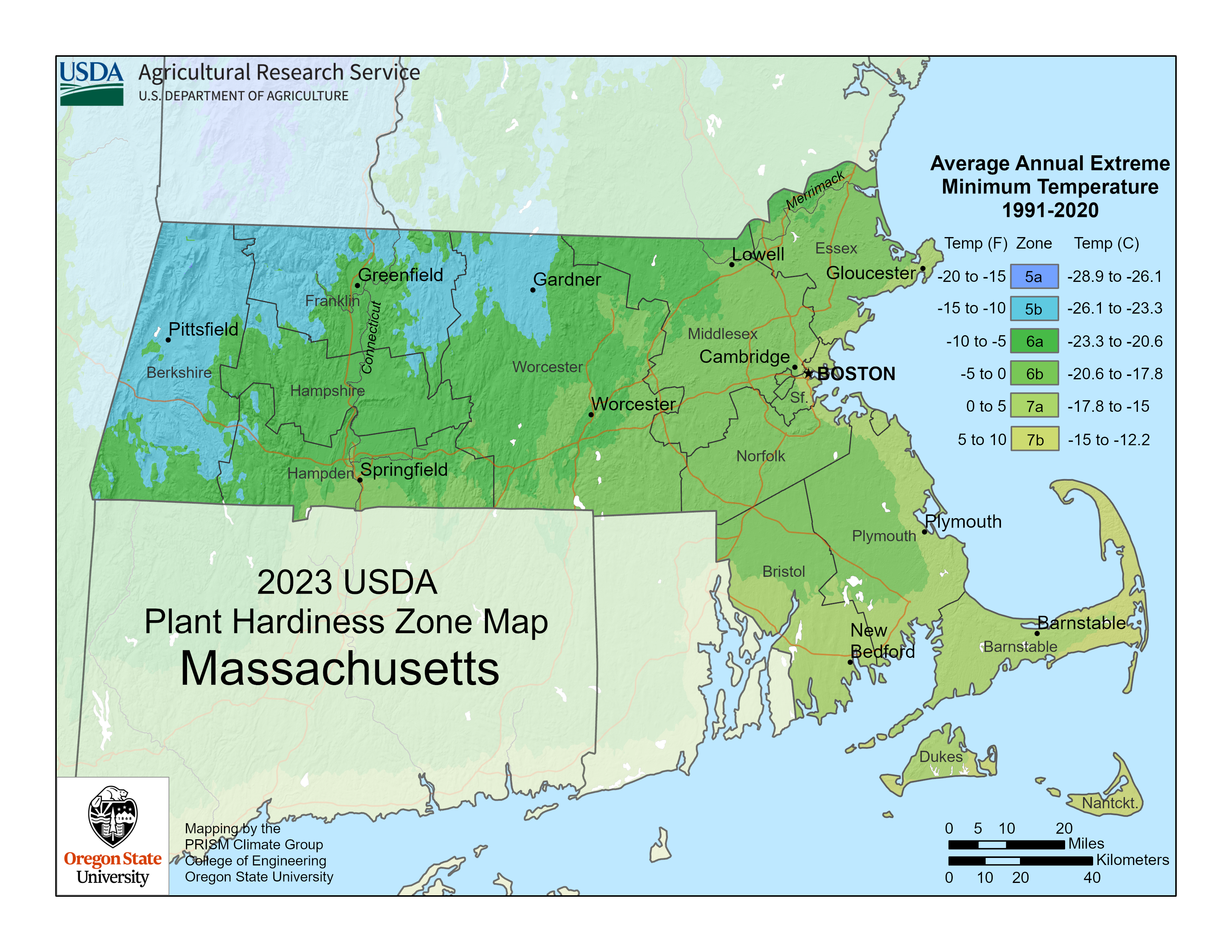
Works cited
- Bluestone, Barry, The Boston Renaissance: Race, Space, and Economic Change in an American Metropolis, Stevenson, Mary Huff, Russell Sage Foundation, 2002
- Bolino, August C., Men of Massachusetts: Bay State Contributors to American Society, iUniverse, 2012
- Christopher, Paul J., 50 Plus One Greatest Cities in the World You Should Visit, Encouragement Press, LLC., 2006
- The Rough Guide to Boston, Hull, Sarah, Penguin, 2011, 6
- Planning the City Upon a Hill: Boston Since 1630, Kennedy, Lawrence W., University of Massachusetts Press, 1994
- The Boston Globe Guide to Boston, Morris, Jerry, Globe Pequot, 2005
- Vorhees, Mara, Lonely Planet Boston City Guide, Lonely Planet, 2009, 4th
Further reading
- Beagle, Jonathan M., Penn, Elan, 2006, Boston: A Pictorial Celebration, Sterling Publishing Company
- Brown, Robin, The Boston Globe, 2009, Boston's Secret Spaces: 50 Hidden Corners In and Around the Hub, 1st, Globe Pequot
- Hantover, Jeffrey, King, Gilbert, 2008, City in Time: Boston, Sterling Publishing Company
- Holli, Melvin G., Jones, Peter d'A., 1981, Biographical Dictionary of American Mayors, 1820–1980, Westport, Conn., Greenwood Press Short scholarly biographies each of the city's mayors 1820 to 1980—see index at pp. 406–411 for list.
- O'Connell, James C., 2013, The Hub's Metropolis: Greater Boston's Development from Railroad Suburbs to Smart Growth, MIT Press
- O'Connor, Thomas H., 2000, Boston: A to Z, Harvard University Press
- Price, Michael, Sammarco, Anthony Mitchell, 2000, Boston's Immigrants, 1840–1925, Arcadia Publishing
- Krieger, Alex, Cobb, David, Turner, Amy, 2001, Mapping Boston, MIT Press
- Seasholes, Nancy S., 2003, Gaining Ground: A History of Landmaking in Boston, registration, Cambridge, Massachusetts, MIT Press
- Shand-Tucci, Douglass, 1999, Built in Boston: City & Suburb, 1800–2000, 2nd, University of Massachusetts Press
- Southworth, Michael, Southworth, Susan, 2008, AIA Guide to Boston, Third Edition: Contemporary Landmarks, Urban Design, Parks, Historic Buildings and Neighborhoods, 3rd, Globe Pequot
- Vrabel, Jim, Bostonian Society, 2004, When in Boston: A Time Line & Almanac, registration, Northeastern University Press
- Whitehill, Walter Muir, Kennedy, Lawrence W., 2000, Boston: A Topographical History, 3rd, Belknap Press of Harvard University Press
External links
- Visit Boston, official tourism website
- Historical Maps of Boston from the Norman B. Leventhal Map Center at the Boston Public Library
Category:1630 establishments in the Massachusetts Bay Colony
Category:Cities in Massachusetts
Category:Cities in Suffolk County, Massachusetts
Category:County seats in Massachusetts
Category:Geographical articles missing image alternative text
Category:Irish-American culture in Boston
Category:Populated coastal places in Massachusetts
Category:Populated places established in 1630
Category:Port cities and towns in Massachusetts
Category:State capitals in the United States
Category:Tech hubs